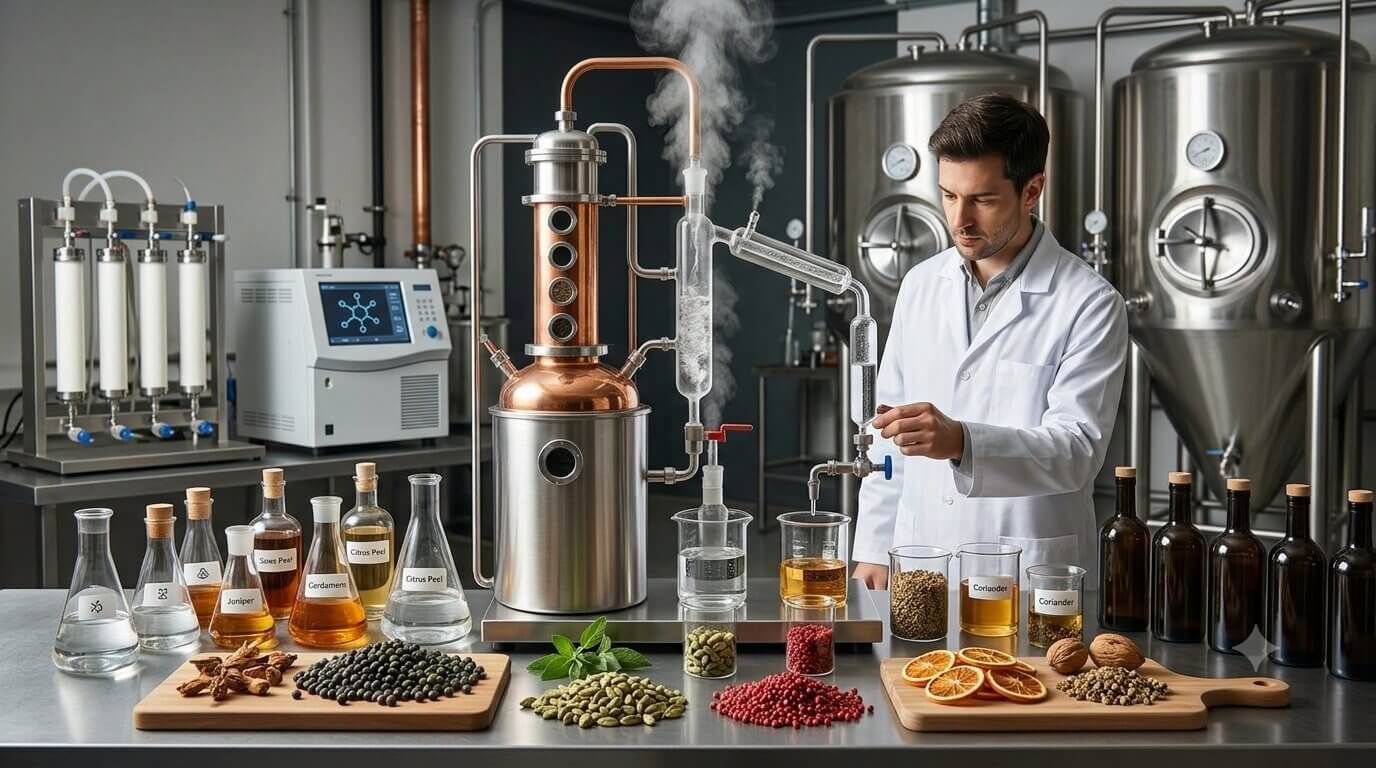
Why Botanical Drinks Make Great Alcohol Alternatives
If you are looking for an alternative to alcohol, it is easy to assume that the choice is limited to soft drinks, fruit juice or alcohol-free versions of familiar spirits. But there is another category worth exploring: botanical drinks.
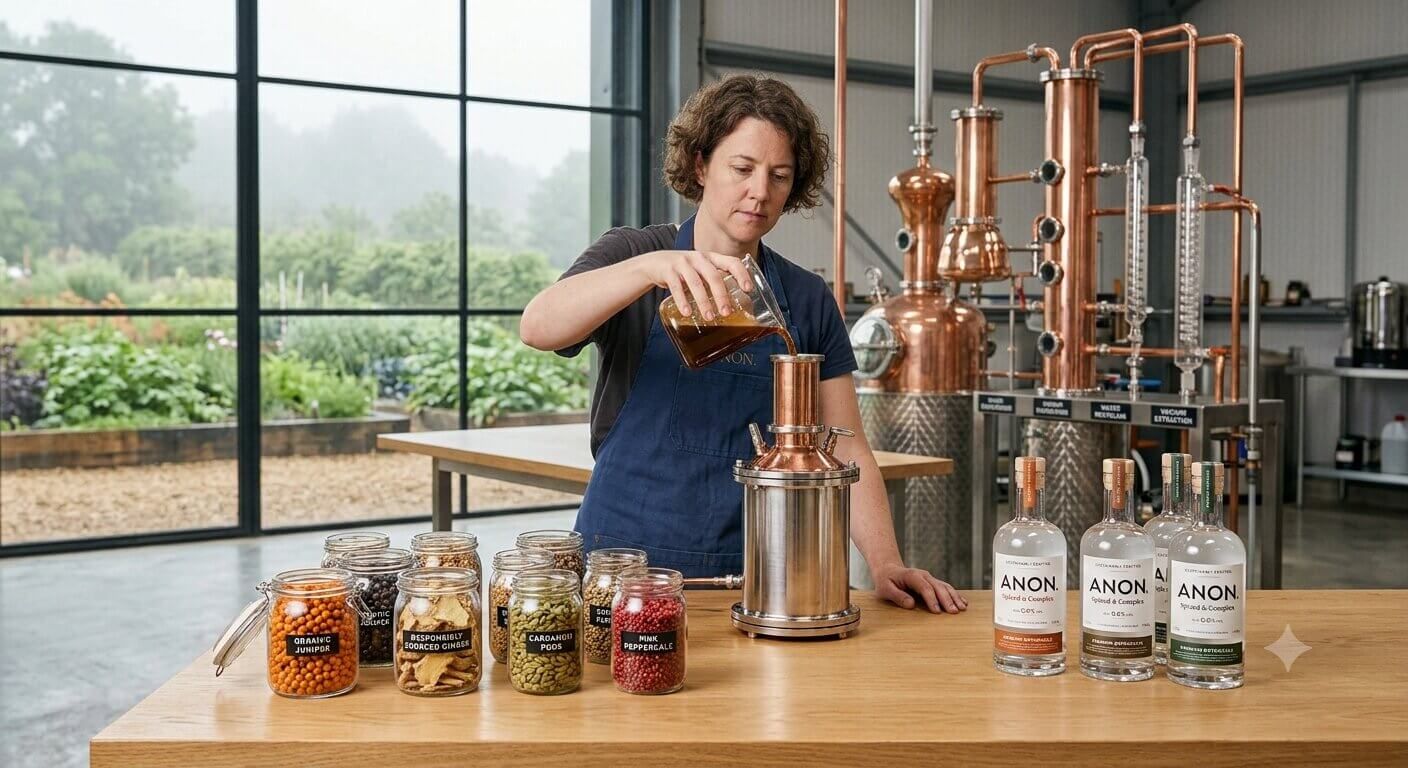
Botanical drinks use ingredients such as herbs, spices, roots, citrus, flowers and fruits to create layers of flavour. Rather than relying on alcohol to provide character and warmth, they can build complexity through bitterness, aroma, spice, acidity and freshness.
That makes botanical drinks particularly appealing when you want something that feels like a proper drink, rather than simply something to replace alcohol.
What Are Botanical Drinks?
Botanical drinks are beverages made with flavourful plant-based ingredients, including herbs, spices, roots, flowers, fruits and other botanicals.
The term covers a broad range of drinks. Some are floral and delicate, while others are bitter, spicy, citrus-led or herbal. They can be served neat, over ice, with tonic or soda, or used as the foundation for cocktails and spritzes.
For alcohol-free drinks, botanicals are particularly useful because they provide a way to create depth and complexity without relying on alcohol.
For example, ANON Bittersweet Aperitif combines botanicals including wormwood, vermouth, orange, gentian and quassia extracts to create a citrussy, herbal and bitter profile.
The result is a drink designed around flavour rather than simply removing alcohol from the equation.
Why Are Botanicals So Important in Alcohol-Free Drinks?
One of the biggest challenges with creating an alcohol alternative is making the drink interesting enough to enjoy slowly.
Alcohol contributes more than just ABV. In traditional drinks, it carries aromas, influences texture, and creates a sense of warmth and length on the palate. Botanical ingredients offer a direct route to that same complexity by using natural plant compounds:
- Bitter and Earthy Tones: Ingredients like gentian root, dandelion, oak bark, and wormwood provide the grounding bitterness traditionally supplied by vermouths and dark spirits.
- Aromatic Top Notes: Herbs such as rosemary, thyme, lavender, and mint deliver bright scents that mirror gin or amaro.
- Spicy Heat: Elements like capsicum, ginger, and black pepper simulate the chest-warming sensation the "throat hit" that ethanol usually provides.
- Freshness & Acidity: Citrus, flowers, and fruits introduce lightness and lift to balance heavier base notes.
When these elements are carefully balanced, an alcohol-free drink offers far more depth than a typical soft drink which is why the botanical approach has become so vital to modern non-alcoholic options.
Botanical Drinks Offer More Than Sweetness
A common criticism of alcohol-free drinks is that they can be too sweet.
Botanical drinks offer an alternative because they can introduce bitter, herbal, spicy and savoury notes alongside sweetness.
Bitterness is particularly valuable.
Think about some of the drinks people traditionally enjoy before or alongside food: gin and tonic, Negroni, vermouth-based aperitifs and bitter orange spritzes. Their appeal isn't based entirely on sweetness.
Botanical ingredients can recreate some of that flavour complexity.
ANON's Bittersweet Aperitif, for example, uses bitter botanicals alongside orange, citrus and herbs, giving it a profile intended for spritzes, mixing and Negroni-style serves.
This makes botanical drinks an appealing option for people who want something dry, bitter or sophisticated rather than sugary.
Botanical Drinks Can Create a More Grown-Up Drinking Experience
Choosing not to drink alcohol does not necessarily mean wanting a drink that tastes like juice.
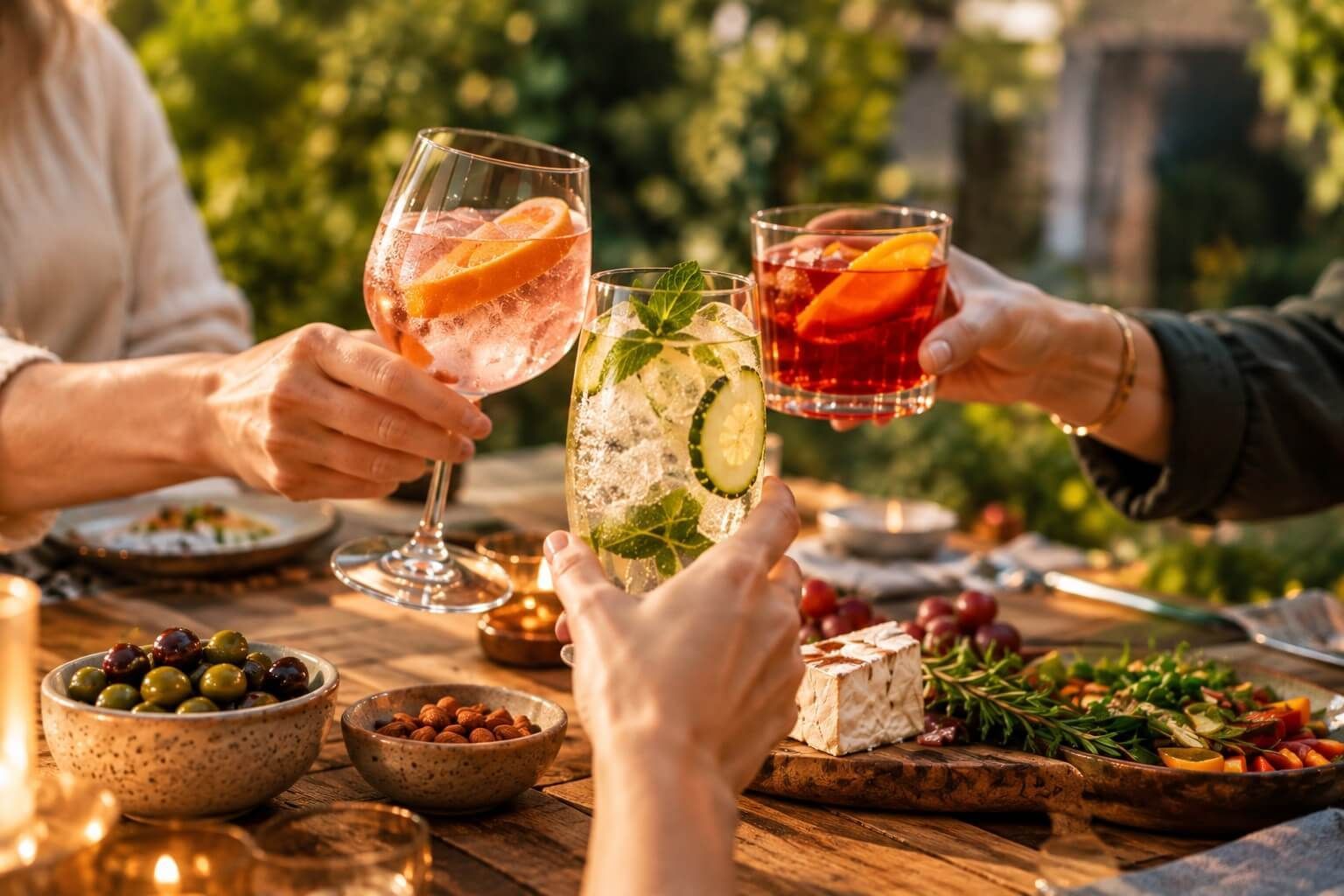
Sometimes you want something you can pour into a proper glass, add ice to, garnish with citrus and enjoy alongside everyone else.
That's where botanical drinks can make a difference.
A drink with layers of citrus, herbs, spice or bitterness can feel more like part of the occasion. It can work before dinner, with food, at a garden party or during a relaxed evening at home.
This is particularly relevant as alcohol-free drinking becomes more established in the UK. Drinkaware's 2025 research found that 44% of UK drinkers use alcohol-free or low-alcohol drinks to moderate their alcohol intake, compared with 31% in 2018. Alcohol-free drink use alone increased from 18% to 31%.
The expectation is no longer simply for a substitute. People increasingly want
choice, flavour and a positive drinking experience.
Botanical Drinks Can Replace the Ritual, Not Just the Alcohol
There is another reason botanical drinks work well as alcohol alternatives: they can fit into the ritual of drinking.
Consider the difference between opening a bottle of something interesting, pouring it over ice, adding a garnish and topping it with tonic compared with simply opening a can of fizzy drink.
Both may be alcohol-free, but the experience can feel very different.
Botanical drinks give you opportunities to:
- Choose your glass.
- Add ice.
- Experiment with mixers.
- Garnish with herbs or citrus.
- Create a spritz.
- Pair flavours with food
- Make a cocktail-style serve.
- Enjoy the drink slowly.
That sense of occasion can be just as important as the drink itself.
What Flavours Can You Find in Botanical Drinks?
One of the best things about botanical drinks is the variety.
Citrus and Bitter Botanicals
Orange, lemon and bitter roots can create bright, refreshing drinks with an aperitif-style character.
These flavours work particularly well with tonic, soda and sparkling serves.
Herbs and Fresh Botanicals
Mint, cucumber and other green, fresh flavours can create lighter drinks that are ideal for spring and summer.
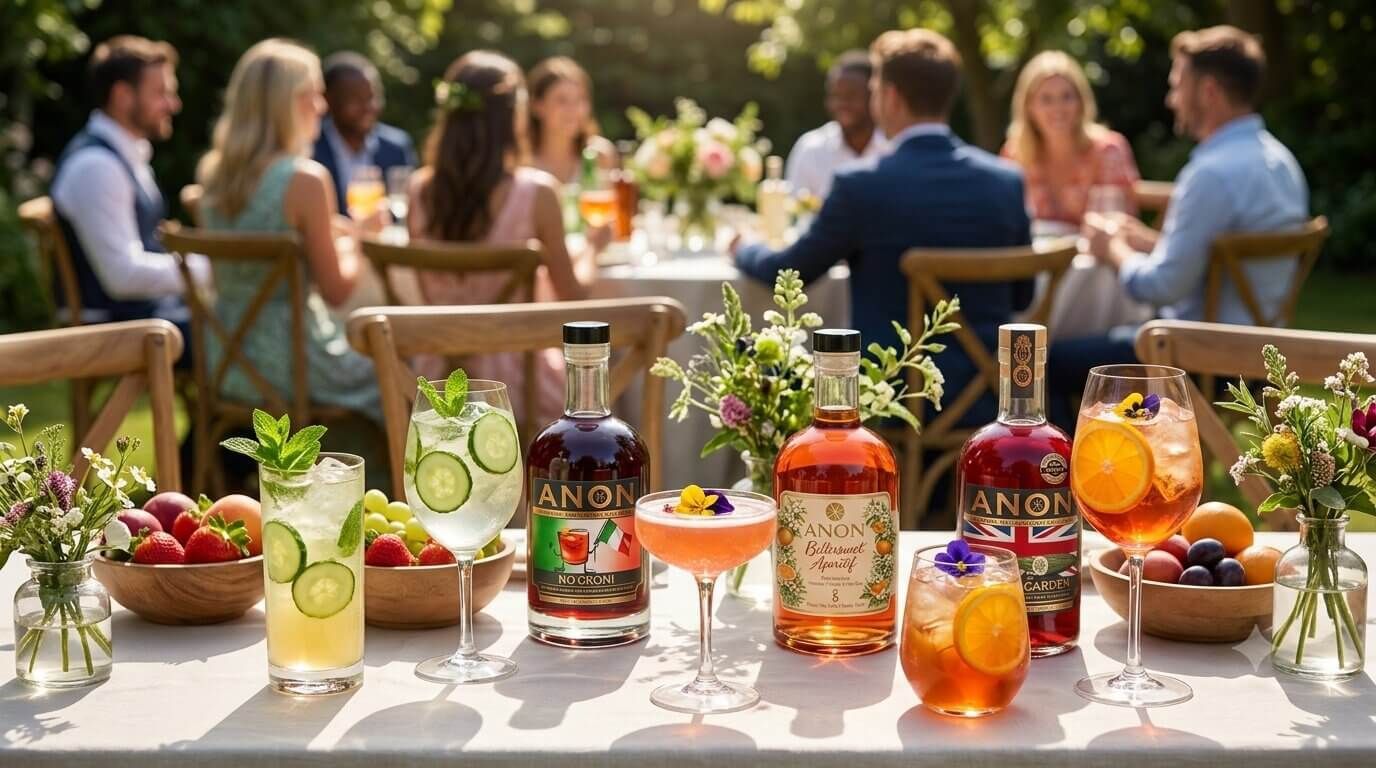
ANON English Garden combines summer fruits with cucumber, mint, orange, apple and strawberry, and is designed to be served over ice with lemonade or tonic.
Warming Spices
Cinnamon, ginger and vanilla can create richer, warmer flavours.
ANON Spiced Cane, for example, combines botanical flavours with cinnamon, lemon, vanilla and ginger and can be served over ice, mixed with cola or used in a mocktail.
Juniper and Aromatic Herbs
For people who enjoy gin-style drinks, juniper and aromatic herbs can provide a familiar flavour direction without alcohol.
ANON No Groni combines bitter orange, juniper and aromatic herbs in a ready-to-drink Negroni-style serve.
Botanical Drinks Are Versatile
Another advantage is versatility.
You don't necessarily have to drink a botanical alternative in exactly the same way every time.
Take a bottle of botanical drink and you might create:
A simple serve: Pour over ice and add a citrus garnish.
A long drink: Add tonic or soda for something lighter and more refreshing.
A spritz: Combine your botanical drink with a sparkling mixer and garnish with orange or herbs.
A mocktail: Use the botanical drink as the flavour base alongside fresh juice, citrus, herbs or spices.
ANON's recipe collection demonstrates this flexibility, with serves ranging from an Italian-style spritz and English Garden serve to more complex cocktails using Bittersweet Aperitif and Spiced Cane.
That versatility makes botanical drinks useful beyond one particular occasion.
Can Botanical Drinks Offer Benefits Beyond Flavour?
Beyond flavour and ritual, one of the growing reasons people turn to botanical drinks is their functional potential.
Many modern non-alcoholic spirits utilise active plant extracts, including adaptogens (such as ashwagandha or reishi) and nootropics (such as L-theanine), to encourage relaxation and ease social tension. By leveraging plant compounds rather than alcohol, botanical drinks can offer a gentle sense of calm without brain fog, disrupted sleep, or a hangover the next day.
| Feature | Standard Mocktails & Sodas | Botanical Spirits |
|---|---|---|
| Primary Base | Fruit juice, sugar syrup, carbonation | Distilled herbs, barks, roots, spices |
| Flavour Profile | Sweet, fruity, simple | Bitter, herbaceous, complex, layered |
| Ritual & Serve | Casual soft drink | Poured over ice, stirred, garnished, paired with food |
| After-Effects | Potential sugar crash | Hydrating, hangover-free, potentially functional calm |
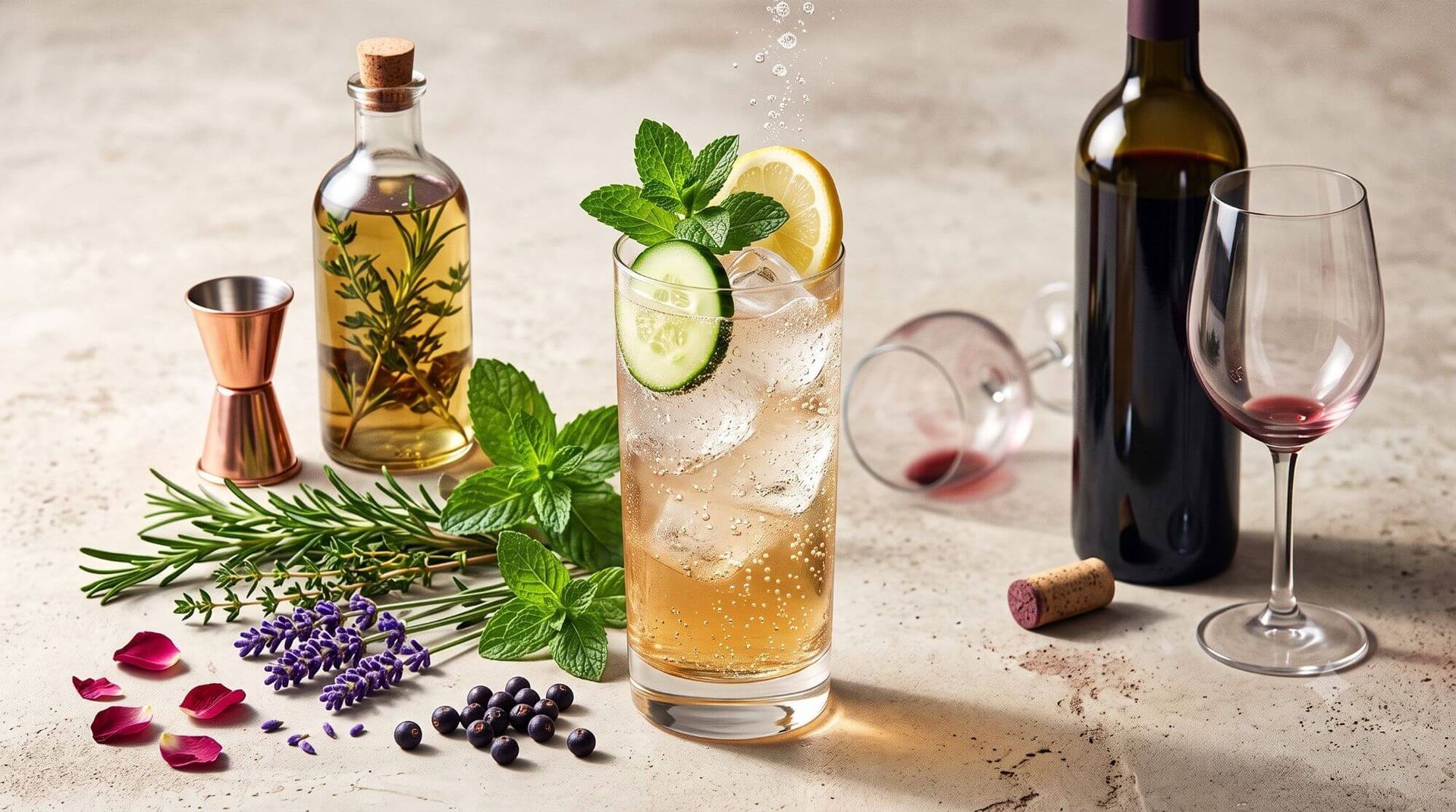
Are Botanical Drinks a Good Alternative to Wine?
They can be, particularly if what you enjoy about wine is the experience of having something complex and interesting with food.
A botanical drink won't necessarily taste like wine, and it doesn't need to.
Instead, look for flavours that complement your meal.
A bitter citrus aperitif can work well before dinner. Herbal and fresh flavours can suit lighter dishes. Spiced botanical drinks can work with richer or warming food.
The goal isn't always to find an identical replacement for your usual alcoholic drink.
Sometimes the better option is to find a new flavour experience that works just as well for the occasion.
Are Botanical Drinks Better Than Traditional Soft Drinks?
That depends on what you want from your drink.
If you simply want something refreshing, a soft drink may be exactly right.
But if you're looking for an alcohol alternative that offers more complexity, botanical drinks can provide another option.
They can combine bitterness, acidity, aroma, spice and fruit rather than relying primarily on sweetness.
This is one reason premium alcohol-free drinks increasingly focus on flavour profiles and ingredients rather than simply presenting themselves as substitutes for alcoholic products.
Why ANON Uses Botanicals
Botanicals are central to the way ANON develops its alcohol-free drinks.
The range includes different flavour profiles designed for different occasions, from the bitter and citrus-led Bittersweet Aperitif to the fresh, fruity English Garden and warming Spiced Cane.
The approach is not simply to remove alcohol and leave an empty space.
Instead, the focus is on building drinks with their own character.
That philosophy also appears in ANON's No Groni, where bitter orange, juniper and aromatic herbs create a distinctive Negroni-style profile without alcohol.
For people exploring alcohol-free drinking, that means you can choose according to taste, rather than simply choosing the closest alcohol substitute.
How to Choose a Botanical Alcohol Alternative
If you're new to botanical drinks, start with the flavours you already enjoy.
Prefer bitter and citrus flavours?
Try a botanical aperitif such as ANON Bittersweet Aperitif.
Like fresh, fruity and garden-inspired drinks?
English Garden is a natural place to start, particularly with tonic, lemonade, ice and fresh mint.
Prefer warming, spiced flavours?
Spiced Cane offers cinnamon, lemon, vanilla and ginger notes.
Want something ready to drink?
ANON No Groni provides a convenient Negroni-style option that can simply be poured over ice and garnished with orange.
The important thing is to think about flavour first.
You don't have to find an exact replica of your favourite alcoholic drink. You can find an alcohol-free drink that gives you the same sense of occasion in a completely different way.
Botanical Drinks Make Alcohol-Free Drinking More Interesting
The biggest strength of botanical drinks is that they give alcohol-free drinking its own identity.
Instead of asking, “What tastes like the alcoholic drink I've stopped drinking?”, you can ask a more interesting question:
“What flavours do I actually want to enjoy?”
That might be bitter orange and herbs. It might be cucumber and mint. It might be ginger, cinnamon and vanilla. Or it might be something completely different.
Botanical ingredients give alcohol-free drinks the opportunity to be complex, aromatic, refreshing and genuinely enjoyable in their own right.
And that's ultimately what makes them such compelling alternatives to alcohol.
FAQs About Botanical Drinks
What are botanical drinks?
Botanical drinks are beverages made using plant-based ingredients such as herbs, spices, roots, flowers, citrus and fruits to create distinctive flavours and aromas.
Are botanical drinks alcohol-free?
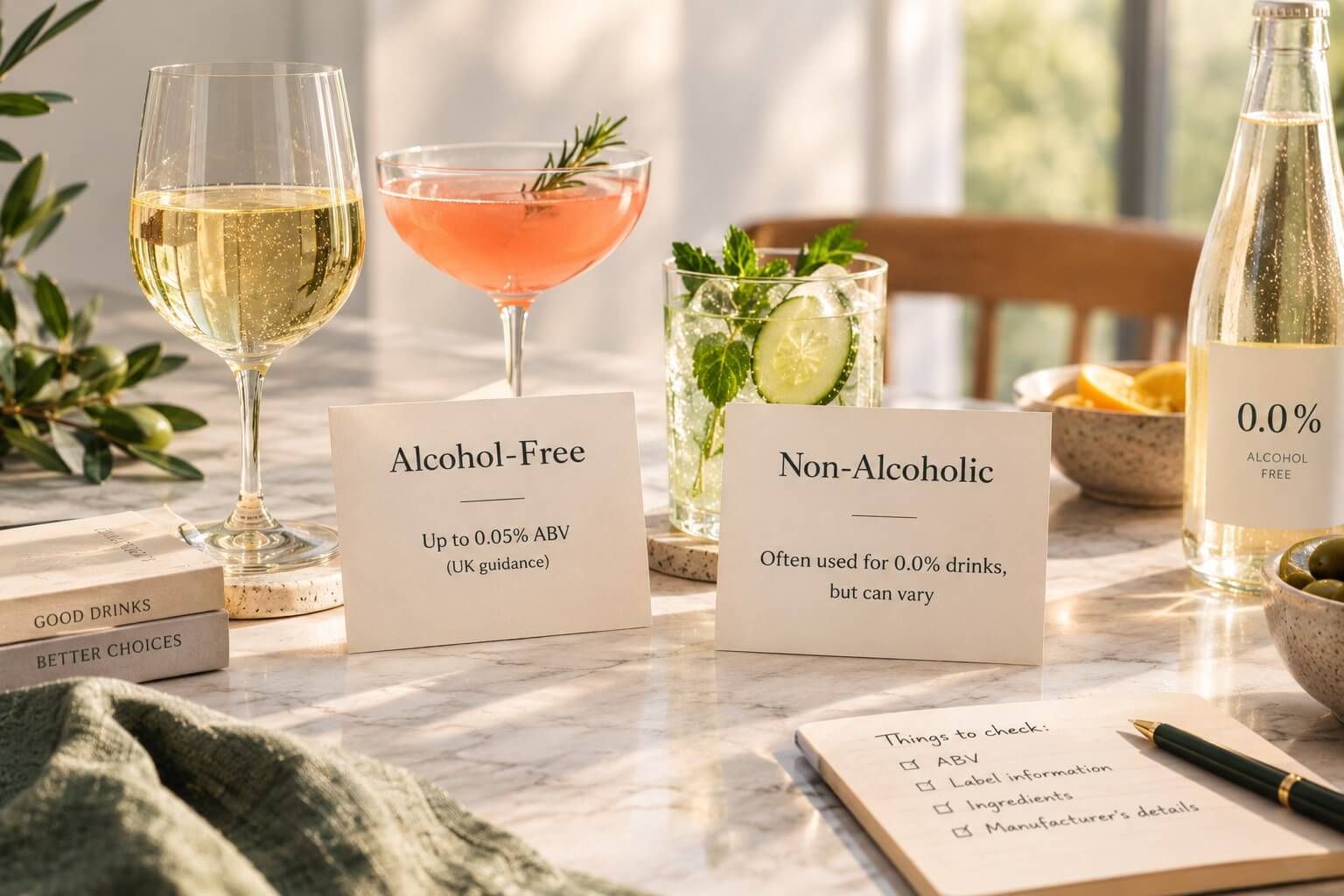
Some botanical drinks are alcohol-free, while others may contain alcohol. Always check the product's ABV and labelling if avoiding alcohol is important to you.
Do botanical drinks taste like alcohol?
Not necessarily. Some are designed to recreate familiar flavour profiles associated with drinks such as gin, vermouth or aperitifs, while others have their own distinctive flavour.
Are botanical drinks sweet?
They can be, but they don't have to be. Botanical drinks can include bitter, herbal, spicy, citrus and savoury notes, making them suitable for people who prefer less-sweet drinks.
How do you serve botanical drinks?
Many botanical drinks work well over ice with tonic, soda or another mixer. Fresh citrus, herbs, cucumber or other garnishes can also enhance the serve.
Are botanical drinks good with food?
Yes. Their bitterness, acidity, herbal notes and aromatic flavours can make them particularly versatile alongside food.