Why 17.5 Million Brits Are Going Alcohol-Free in 2026
The UK's relationship with alcohol is changing.
For decades, drinking was deeply woven into British culture. Whether it was after-work pints, weekend pub visits, celebrations, or social gatherings, alcohol often sat at the centre of social life. But in 2026, a noticeable shift is taking place. Millions of people are actively questioning their drinking habits, reducing their alcohol intake, or choosing not to drink altogether.
According to estimates from Alcohol Change UK, around 17.5 million British adults – approximately 29% of the population – planned to take part in Dry January 2026. While Dry January remains one of the most visible alcohol-free campaigns, it is also a reflection of a much larger movement.
The rise of the sober-curious lifestyle, increased health awareness, and the growing availability of premium alcohol-free alternatives are transforming drinking culture across the UK.
This is no longer a niche wellness trend. It is becoming a mainstream lifestyle choice.
The Numbers Behind the Alcohol-Free Movement
The scale of change is difficult to ignore.
Research from mindful drinking network Club Soda suggests that almost half of UK adults have now tried alcohol-free drinks. Meanwhile, Drinkaware reports that a significant majority of drinkers are making conscious efforts to reduce or better manage their alcohol consumption.
The trend extends well beyond Dry January.
Campaigns such as Sober October continue to attract millions of participants each year, while alcohol-free bars, mindful drinking communities, and specialist non-alcoholic drinks brands have experienced significant growth.
Perhaps most importantly, attitudes towards drinking are changing. Choosing not to drink is increasingly viewed as a positive lifestyle decision rather than something that requires explanation.

Why More People Are Drinking Less
The rise of alcohol-free living is being driven by several interconnected factors.
Mental Health Awareness
One of the most significant drivers is a greater understanding of how alcohol affects mental wellbeing.
While many people associate drinking with relaxation, alcohol can disrupt sleep patterns, increase feelings of anxiety, and negatively affect mood in the days following consumption. As mental health conversations have become more mainstream, people are paying closer attention to these effects.
Many individuals who reduce their alcohol intake report experiencing:
- Better quality sleep
- Improved concentration
- Reduced anxiety
- Increased energy levels
- Better emotional regulation
These benefits often become noticeable within weeks, making alcohol reduction an attractive lifestyle experiment for many people.
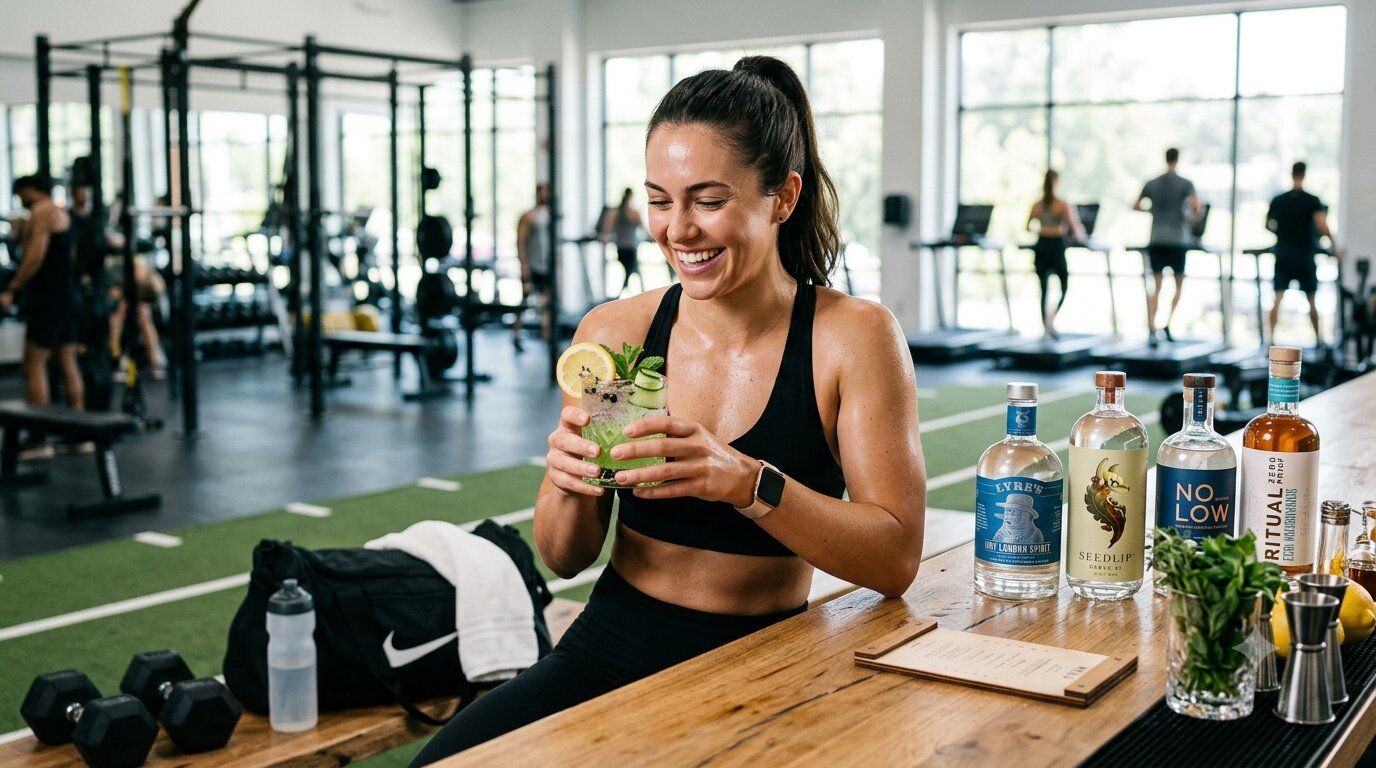
The Wellness and Fitness Boom
Health and fitness culture has become a major influence on consumer behaviour.
Running clubs, gym memberships, cycling groups, fitness apps, yoga communities, and recreational sports have all grown significantly over the past decade. People are increasingly focused on performance, recovery, nutrition, and long-term wellbeing.
For many, alcohol simply doesn't align with these goals.
Fitness enthusiasts are becoming more aware of alcohol's impact on recovery, hydration, sleep quality, and training performance. As a result, choosing alcohol-free options is often viewed as a natural extension of a healthy lifestyle.
The Rise of the Sober-Curious Mindset
The term "sober curious" has helped redefine how people think about alcohol.
Traditionally, conversations about not drinking were often framed around addiction recovery or complete abstinence. The sober-curious movement introduced a more flexible approach.
Instead of asking, "Do I have a drinking problem?", people began asking:
- Do I feel better when I drink less?
- Am I drinking out of habit?
- How does alcohol affect my sleep and wellbeing?
- Could social occasions be just as enjoyable without alcohol?
This shift has removed much of the stigma surrounding alcohol reduction and opened the door for experimentation without labels.
Different Generations, Different Motivations
Although the movement spans all age groups, motivations often differ.
Gen Z: Prioritising Health and Experiences
Younger adults are leading many aspects of the alcohol-free movement.
Many Gen Z consumers are prioritising experiences, travel, fitness, and financial goals over heavy drinking. Social media has also increased awareness of health and wellness, making moderation more socially acceptable than ever before.
For this generation, not drinking often feels normal rather than unusual.
Millennials: Balancing Busy Lives
For many Millennials, the motivation is practical.
Career progression, parenting responsibilities, financial pressures, and personal wellbeing all influence drinking habits. Many are choosing to reduce alcohol because they value productivity, mental clarity, and better sleep.
Rather than giving up alcohol completely, many Millennials are embracing moderation.
Adults Over 40: Long-Term Health Considerations
Among older adults, health is often the primary driver.
As people become more aware of long-term health risks, medication interactions, and recovery times, reducing alcohol consumption becomes a logical lifestyle adjustment.
Improved sleep quality is frequently cited as one of the biggest benefits.
The Growth of Premium Alcohol-Free Drinks
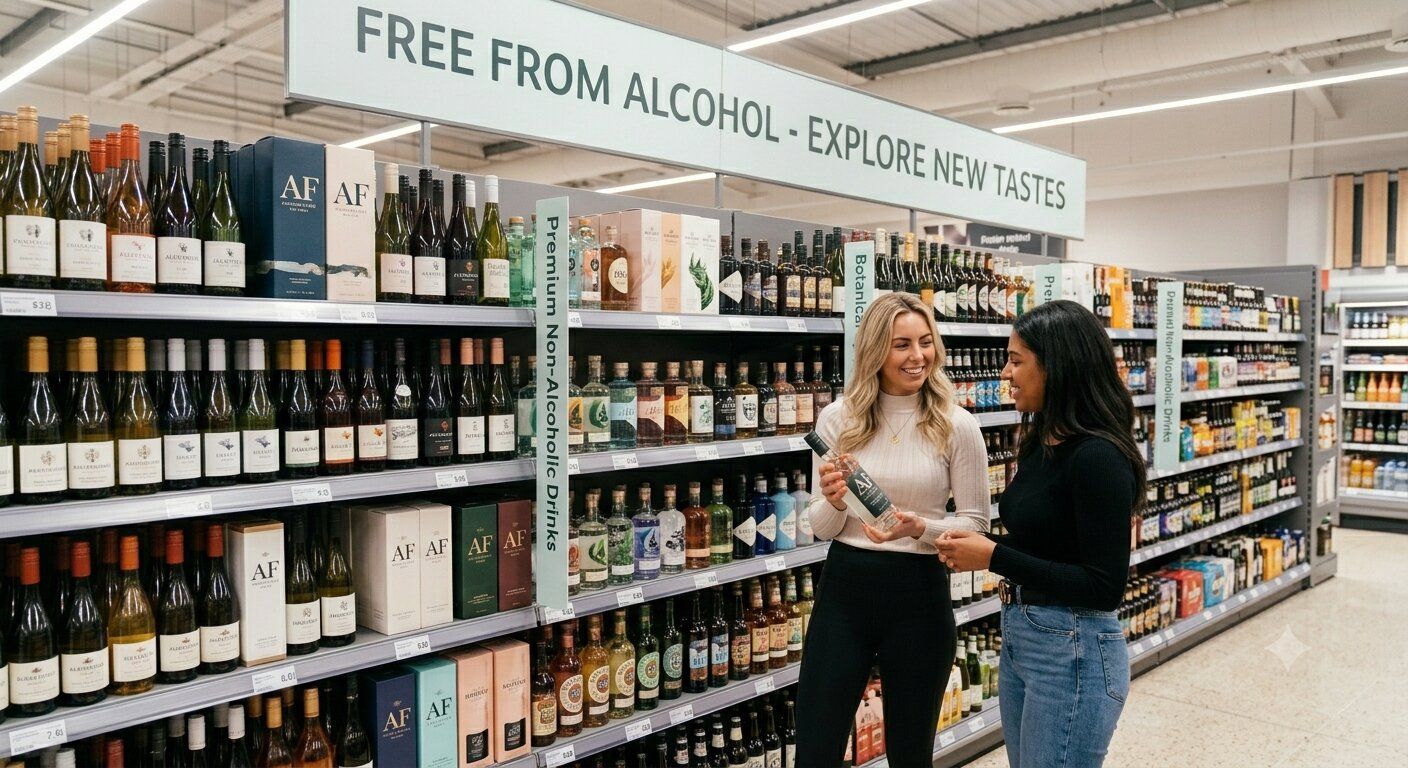
One reason the movement has accelerated is the dramatic improvement in alcohol-free alternatives.
Historically, non-drinkers often had limited choices. Soft drinks, fruit juice, or sparkling water were commonly the only options available.
Today, the landscape looks very different.
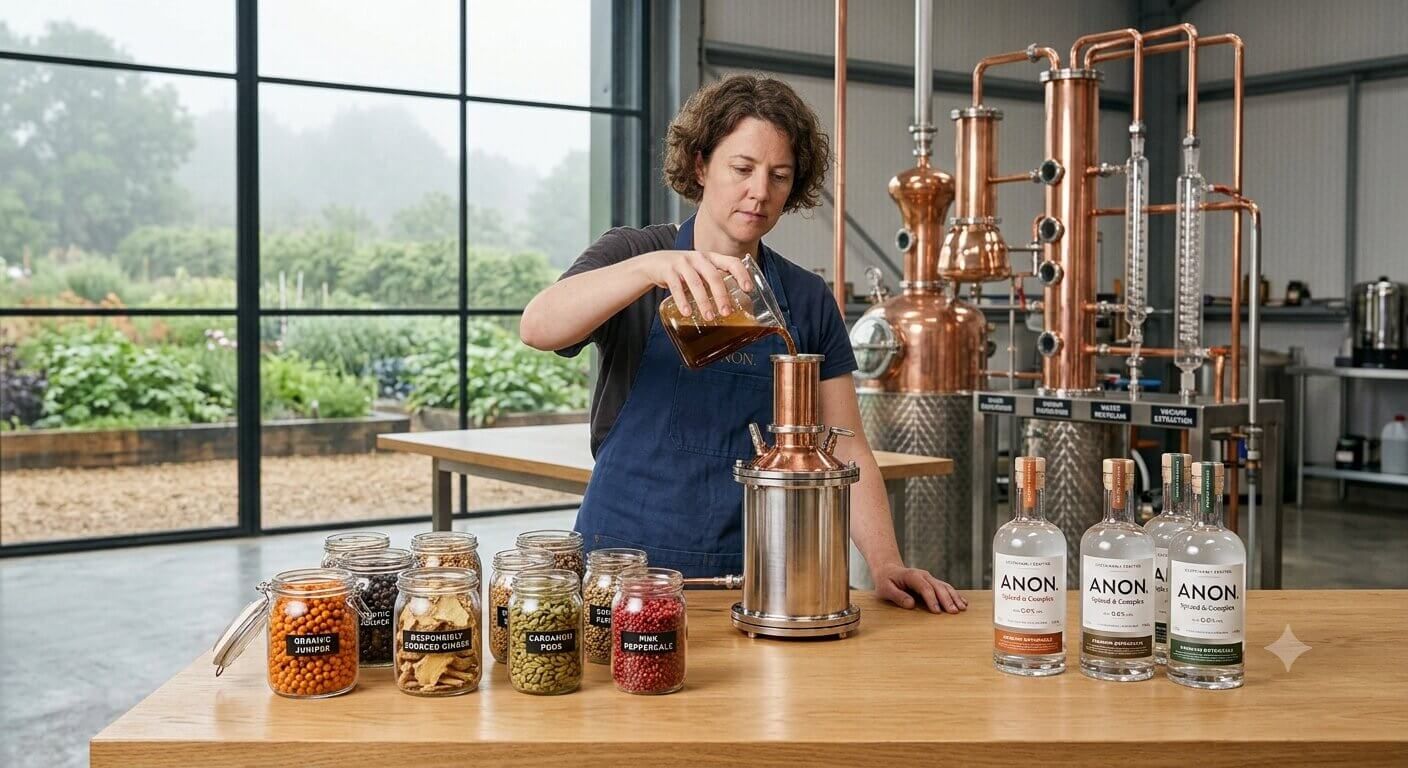
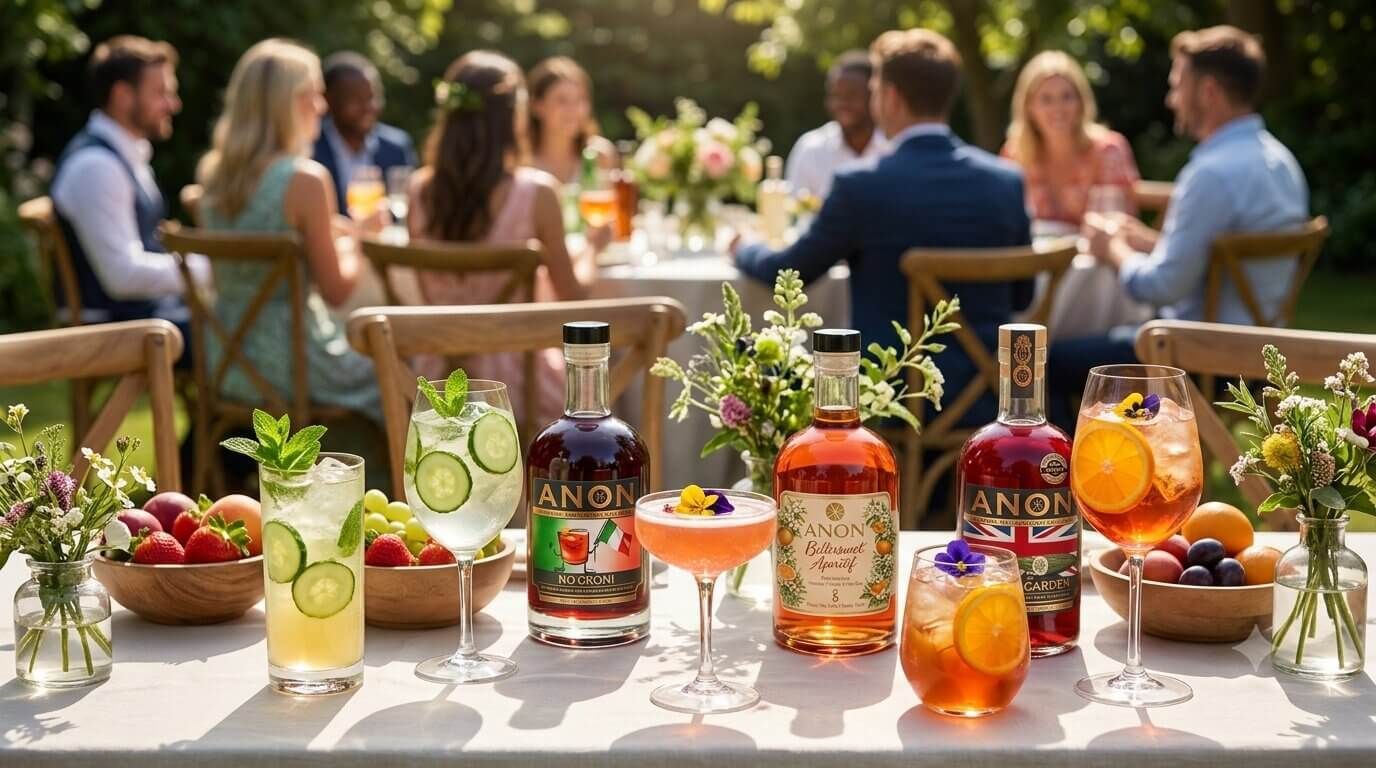
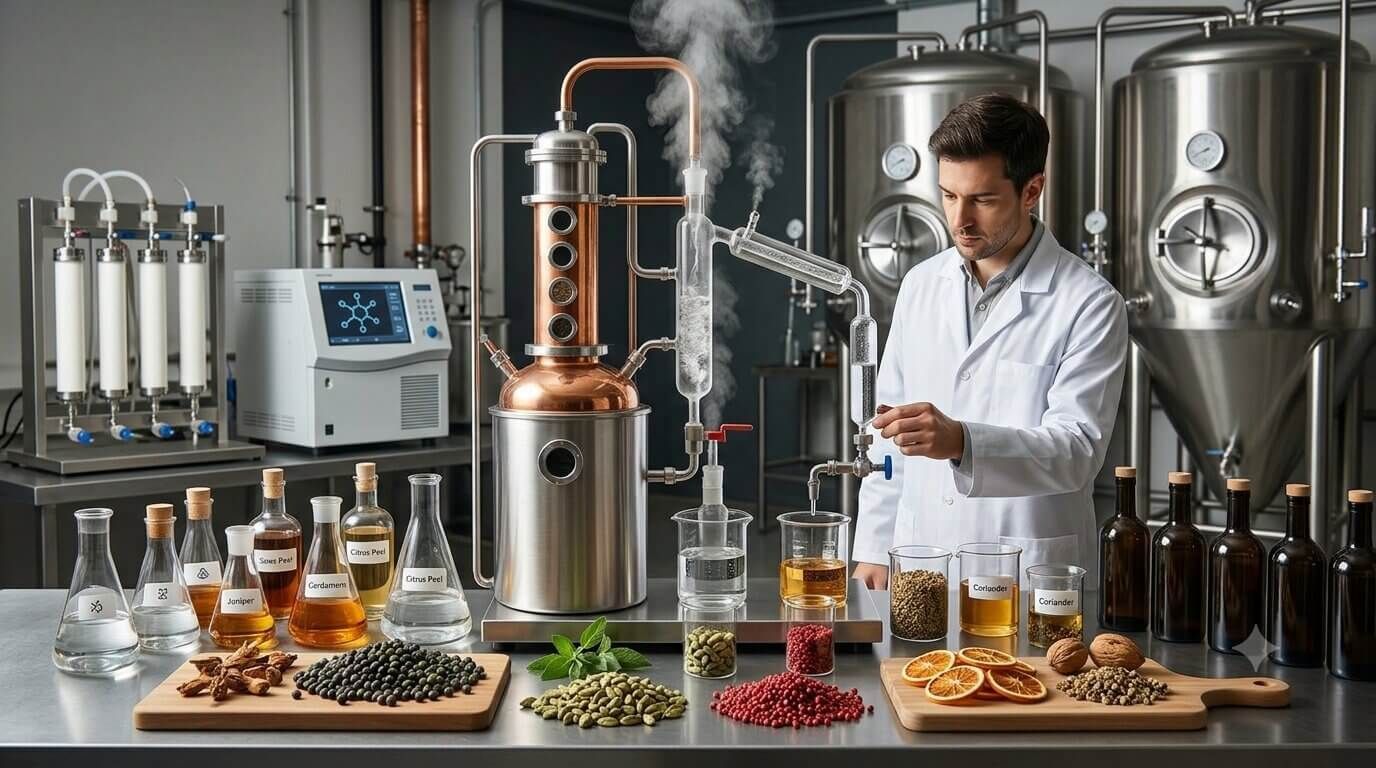
Alcohol-free beers, wines, spirits, aperitifs, and ready-to-drink cocktails are now widely available. Many are crafted using sophisticated botanical blends and production methods designed to deliver flavour complexity rather than simply replicate alcoholic drinks.
This evolution has made choosing not to drink feel less like a compromise and more like a genuine preference.
Consumers increasingly expect alcohol-free drinks to offer the same quality, presentation, and experience as traditional alcoholic beverages.
Zebra Striping: The New Approach to Social Drinking
One of the most interesting emerging behaviours is known as "zebra striping."
Rather than choosing between drinking and not drinking, people alternate between alcoholic and alcohol-free drinks during the same occasion.
For example:
- Alcohol-free aperitif before dinner
- Glass of wine with a meal
- Alcohol-free cocktail afterwards
This approach allows people to remain social while reducing overall alcohol consumption.
For many consumers, moderation rather than complete abstinence is the goal.
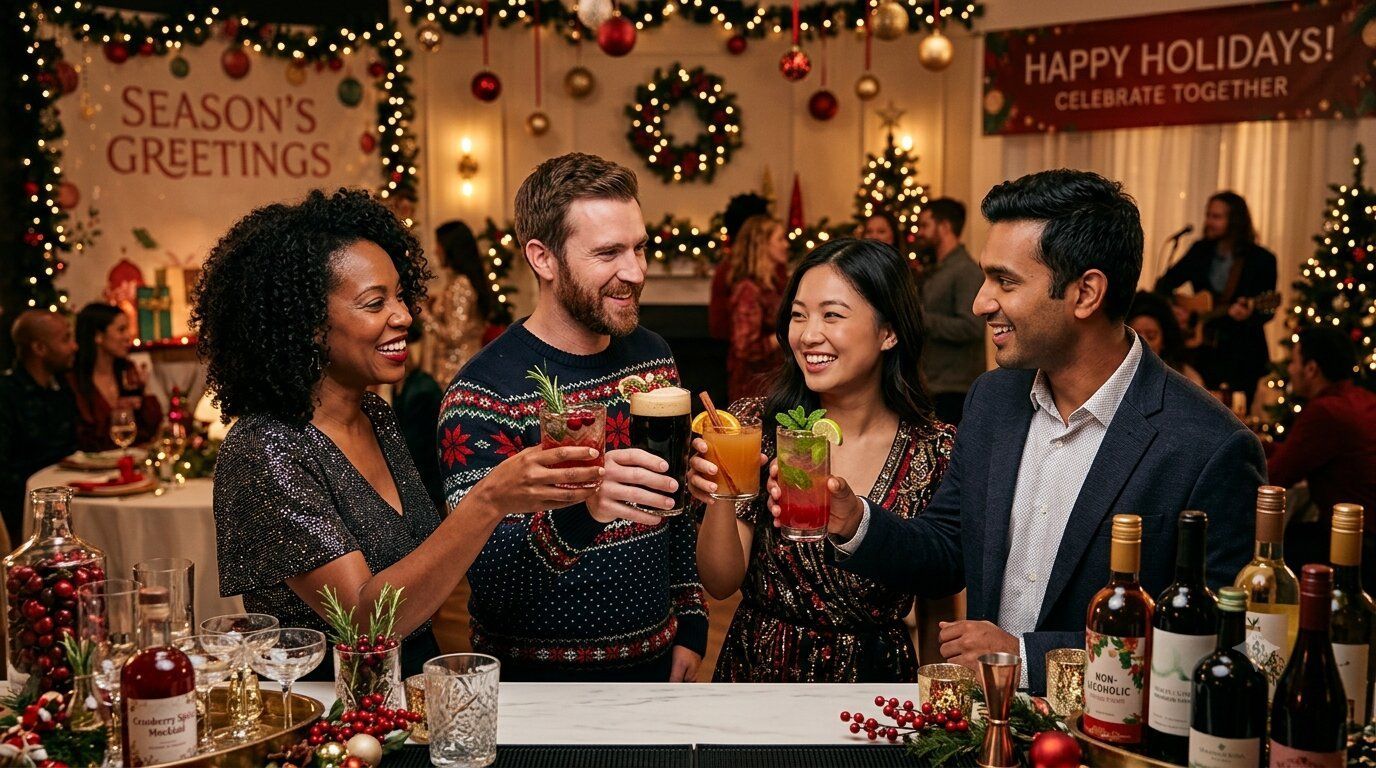
As a result, zebra striping is becoming increasingly common in pubs, restaurants, weddings, corporate events, and social gatherings across the UK.
How Hospitality Businesses Are Responding
The hospitality industry is adapting to changing consumer expectations.
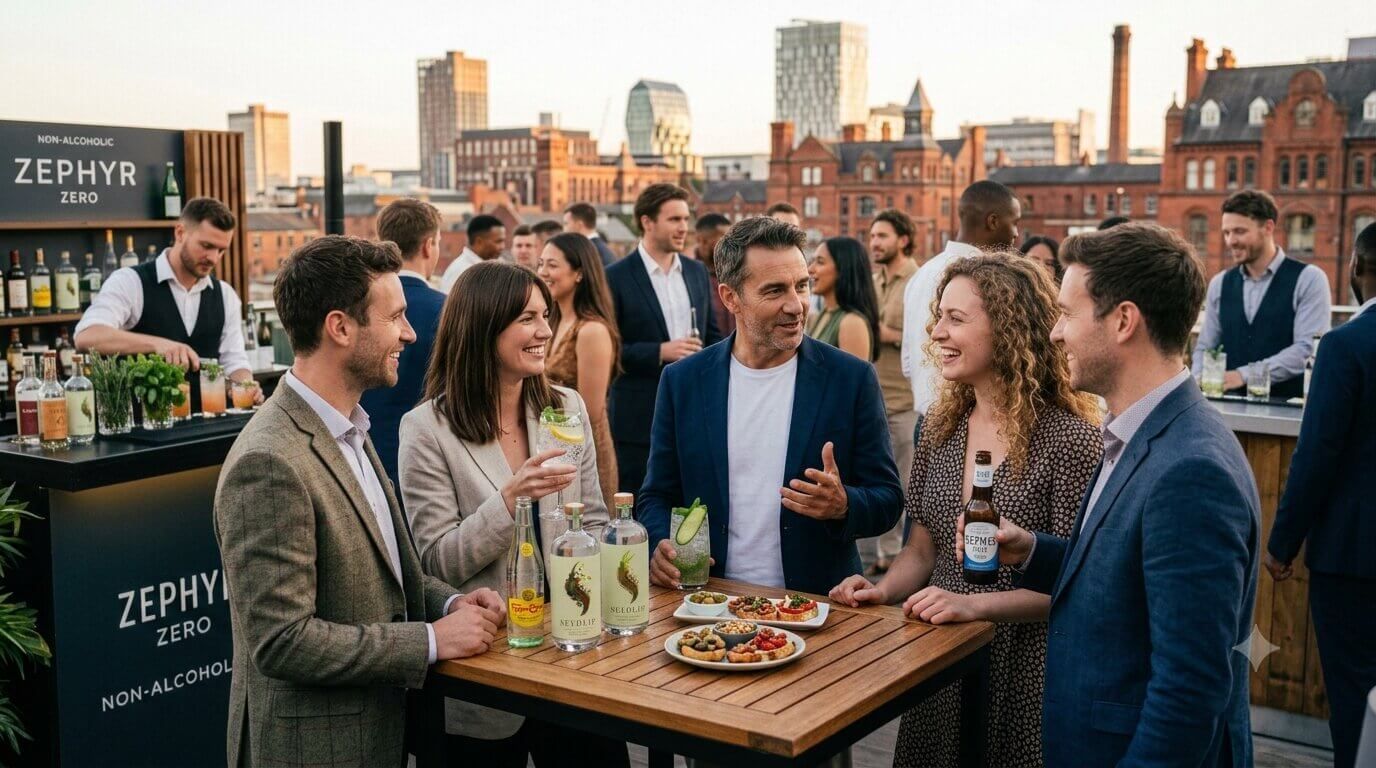
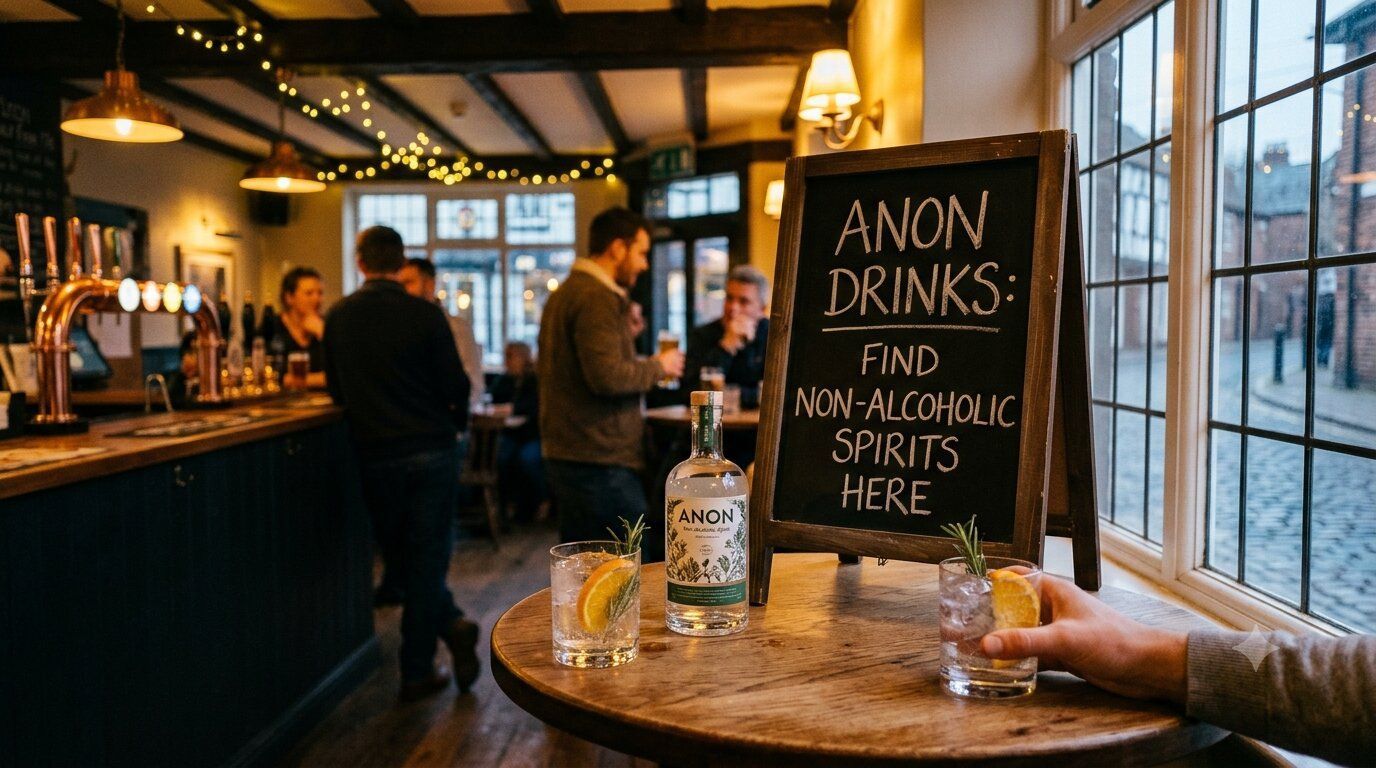
Forward-thinking bars, restaurants, hotels, and event venues now offer dedicated alcohol-free menus. Many are investing in premium alternatives and training staff to discuss non-alcoholic options with the same enthusiasm as traditional drinks.
This shift reflects growing consumer demand.
Businesses that continue to treat alcohol-free options as an afterthought risk falling behind. Today's customers expect choice, quality, and inclusivity regardless of whether they drink alcohol.
The venues that understand this are creating better experiences for everyone.
What Does the Future Look Like?
The factors driving the alcohol-free movement show little sign of slowing down.
Mental health awareness continues to grow. Wellness culture remains influential. Younger generations are drinking less than previous generations. Premium alcohol-free products continue to improve.
Most importantly, social attitudes are changing.
Choosing not to drink no longer requires justification. It is increasingly viewed as a personal lifestyle choice, similar to dietary preferences, fitness goals, or other wellbeing decisions.
The 17.5 million people participating in Dry January may not all remain alcohol-free. However, many will discover benefits that encourage them to continue drinking less throughout the year.
For some, that means moderation. For others, it may mean complete sobriety.
Either way, the movement is reshaping British drinking culture in ways that are likely to endure for years to come.
Frequently Asked Questions
What does sober curious mean?
Sober curious refers to exploring a relationship with alcohol more intentionally. It does not necessarily mean giving up alcohol permanently. Instead, it encourages people to question drinking habits and make conscious choices about when and why they drink.
Why are younger people drinking less alcohol?
Many younger adults prioritise health, fitness, mental wellbeing, financial goals, and meaningful experiences. As a result, heavy drinking is often less appealing than it was to previous generations.
What is zebra striping?
Zebra striping is the practice of alternating between alcoholic and alcohol-free drinks during a social occasion to reduce overall alcohol consumption.
Are alcohol-free drinks becoming more popular in the UK?
Yes. Demand for alcohol-free beers, wines, spirits, and cocktails continues to grow as more consumers seek healthier and more flexible drinking options.
Is the sober-curious trend expected to continue?
Current indicators suggest the trend will continue to grow. Increasing health awareness, changing social attitudes, and improved alcohol-free alternatives are all contributing to long-term behavioural change.
Conclusion
The sober-curious trend in the UK is no longer an emerging movement—it is becoming a defining feature of modern drinking culture.
With an estimated 17.5 million Brits participating in Dry January 2026 and millions more actively moderating their alcohol consumption throughout the year, the shift is clear. People are seeking better health, improved wellbeing, greater balance, and more intentional lifestyles.
As social norms evolve and alcohol-free options continue to improve, choosing not to drink is becoming less about sacrifice and more about choice. The future of drinking in Britain may not be alcohol-free for everyone, but it is undoubtedly becoming more mindful.