The Best Alcohol-Free Christmas Drinks: A UK Guide
The best alcohol-free Christmas drinks fill the same moment as the drink you would otherwise pour. A bittersweet aperitif covers the pre-dinner spritz, a spiced cane spirit handles warming winter serves, and a lighter botanical works for afternoon drinking. Choose by the occasion you are filling, not by what the bottle is imitating.
Christmas is the hardest time of year to drink nothing. Alcohol isn't incidental to the occasion; it is woven through it: the glass handed to you at the door, the toast before the meal, the bottle opened after the presents. Opting out can feel like opting out of everything.
It does not have to. The alcohol-free category has moved far beyond lime and soda, and the drinks that work at Christmas are built with the same bitterness, spice, and length as the original. This guide covers what to pour, when to pour it, and why some alcohol-free drinks hold up over an evening while others stop working after one glass.
What makes a good alcohol-free Christmas drink?
Three things separate a proper Christmas drink from a soft drink.
The first is bitterness or length. Sweetness alone is pleasant for one glass and tiring by the second. Bitter, herbal notes reset the palate between sips, which is exactly why aperitifs exist.
The second is aroma. Festive drinking leans heavily on smell: orange peel, cinnamon, clove, pine. A drink that gives you something to notice in the glass feels like an occasion rather than a refreshment.
The third is the ritual of building it. Ice, a measure, a mixer, a garnish. That small sequence accounts for much of what makes a drink feel like a drink, and it is the part most often skipped when someone is handed a glass of juice.
Botanical spirits tend to do well at Christmas because they already carry the bitter, herbal and warming notes the season leans on. Our guide to why botanical drinks make great alcohol alternatives explains that in more detail.
What should I serve before Christmas dinner?
An aperitif, because it is the serve that most clearly signals the meal is about to start.
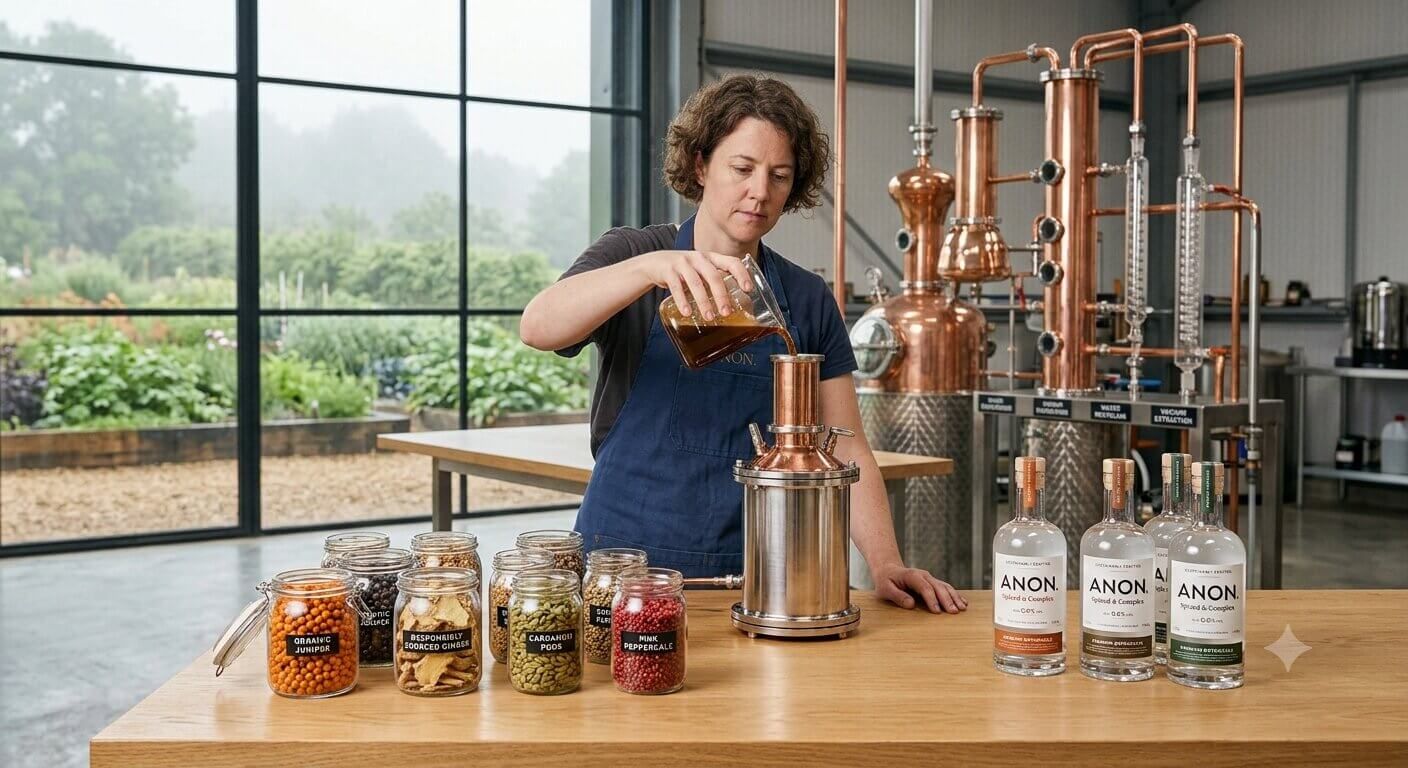
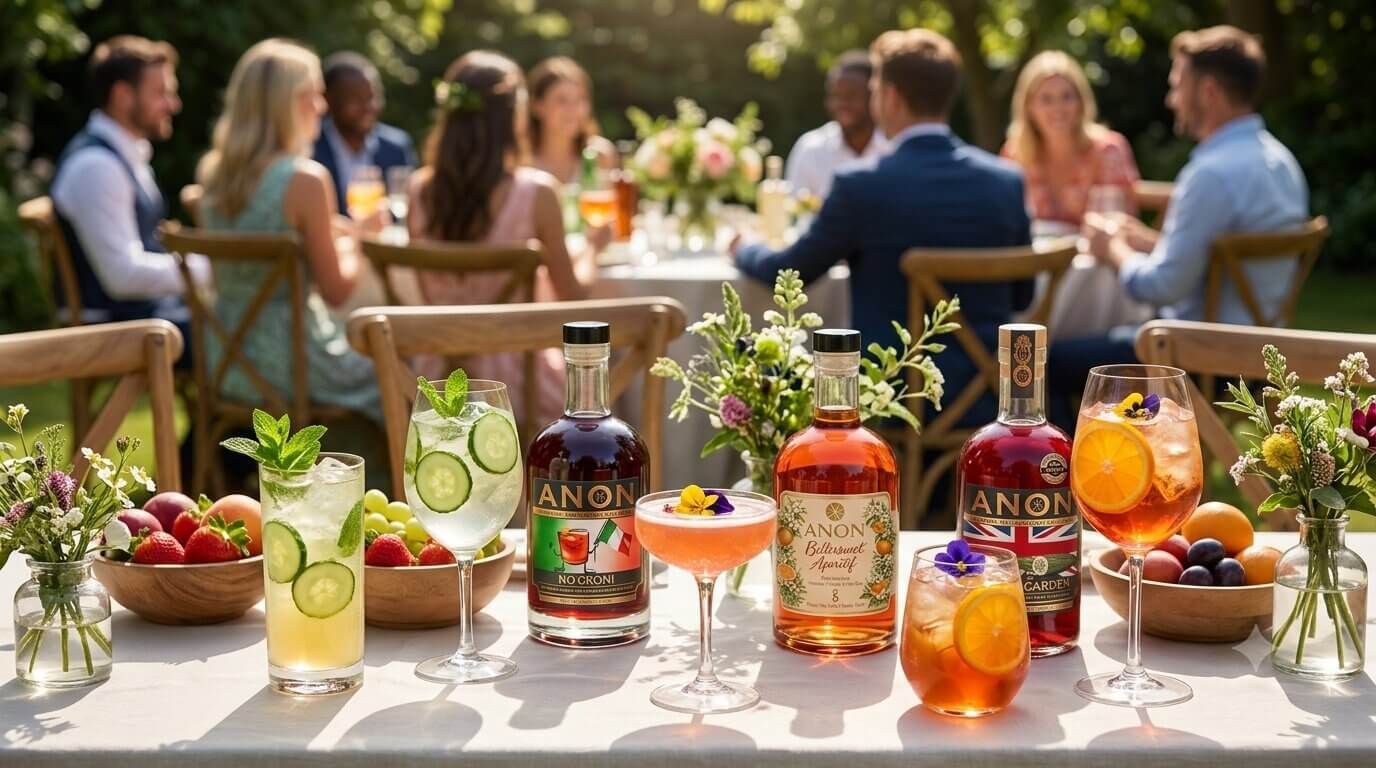
Pour 50ml of ANON Bittersweet Aperitif over plenty of ice in a large wine glass, top with around 150ml of tonic water and add a slice of orange. The blend is built on Bitter Milano botanicals, including wormwood, vermouth, orange, gentian, and quassia extracts, so it carries the bitter edge that makes an aperitif work before food rather than after.
It also looks almost identical to what everyone else is holding, which matters more than people tend to admit. Nobody has to explain themselves.
What can I drink with Christmas dinner?
Match the drink to the food rather than to the wine you are replacing.
Christmas dinner is a rich, salty, savoury plate with sweet elements running through it. It needs acidity and bitterness alongside it, not more sugar. That rules out most soft drinks and most sweet alcohol-free wines.
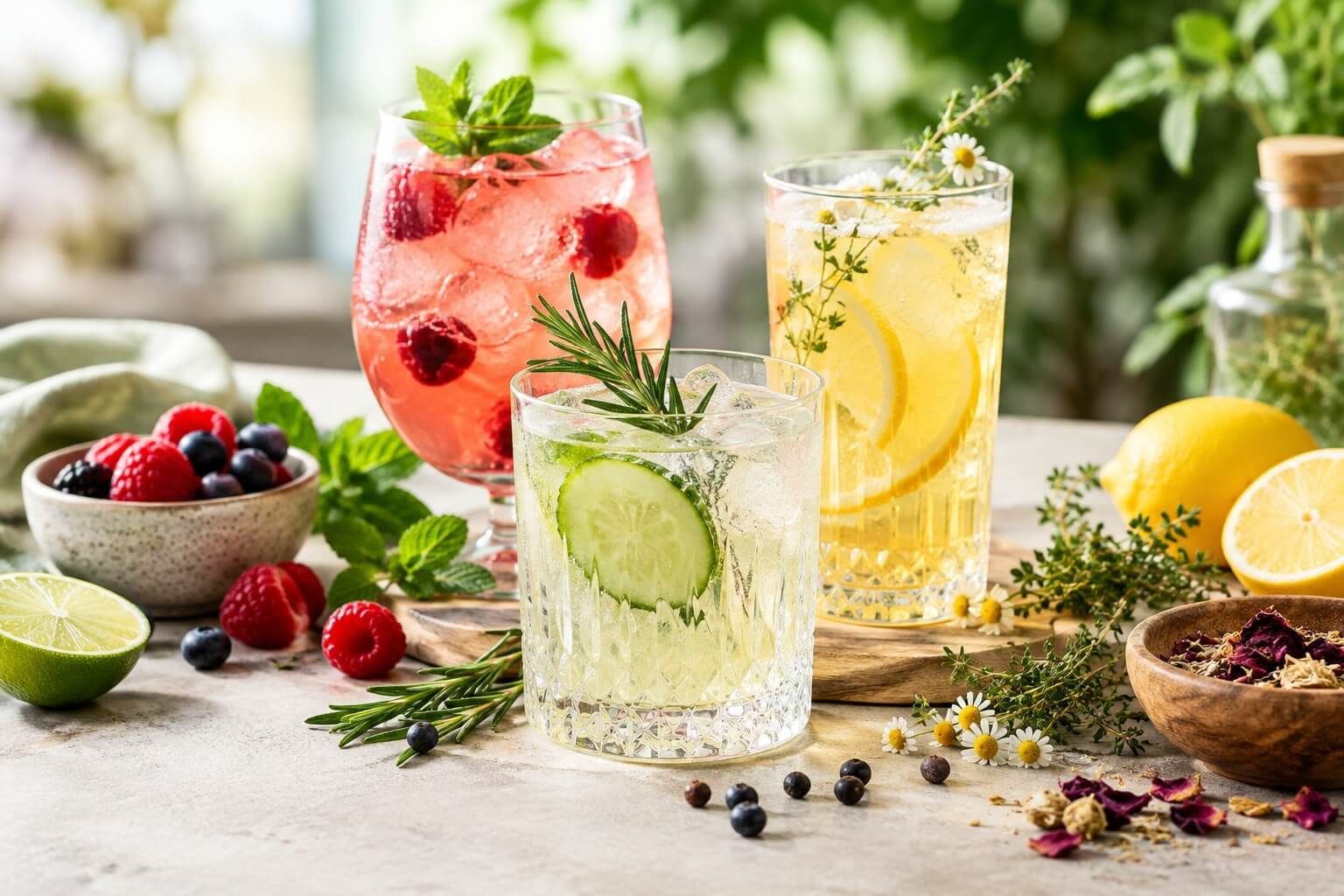
Two approaches work well. The first is a long, diluted aperitif serve: the same Bittersweet Aperitif build, but with more tonic and more ice, keeping it refreshing through a long meal. The second is a lighter botanical spirit such as ANON English Garden, which blends classic summer fruits with cucumber, mint, orange, apple and strawberry. It may not seem like an obvious winter choice on paper, but its freshness cuts through a heavy plate the way a crisp white would.
If you want a fuller discussion of wine replacements specifically, we covered that in What can I drink instead of wine.
What is a good warming alcohol-free drink for Christmas?
ANON Spiced Cane is the closest thing in the range to a traditional winter spirit. It blends cinnamon, lemon, vanilla and ginger, which is more or less the flavour vocabulary of Christmas baking.
The simplest serve is 50ml over ice in a tall glass, topped with ginger ale or cola, with a slice of fresh lime. For something warmer, ANON Dark Spiced Cane goes deeper, carrying dark spices, winter fruits, vanilla and ginger with a gentle cola note underneath.
Dark Spiced Cane also works warmed. Gently heat 75ml with around 150ml of apple juice, then garnish with a cinnamon stick, a slice of apple, and a touch of nutmeg. It is a mulled serve without the alcohol, and it fills the same evening slot that a dark spirit usually would.
What should I serve on Christmas night and over the quiet days after?
The days between Christmas and New Year are where alcohol-free drinks earn their place most obviously. Several consecutive evenings of drinking is where people usually start to feel it, and it is the stretch where having a genuine alternative changes how the week goes.
A ready-made option helps here, because nobody wants to build cocktails on the fourth consecutive evening. ANON No Groni is a pre-mixed, alcohol-free negroni combining non-alcoholic gin, red vermouth, and Bittersweet Aperitif, with bitter orange, juniper, and aromatic herbs. Pour it over ice in a tumbler, add a slice of orange, and that is the whole process.
Availability on individual products does vary, so it is worth checking the alcohol-free spirits shop before planning a serve around one bottle.
What about New Year's Eve?
New Year is the one night where the visual matters most, because the toast happens in front of everyone.
A tall aperitif spritzes in a flute or copa glass reads as celebratory from across a room. Build it the same way as the pre-dinner serve, but use a smaller measure and more sparkling mixer so it lasts through midnight without getting heavy.
If you are hosting, batching is sensible. Four 70cl bottles of Bittersweet Aperitif make roughly fifty 50ml serves, which covers a decent-sized party without anyone mixing drinks individually all night.
Do guests actually notice the difference?
Less than you would expect, and usually not in the way people fear.
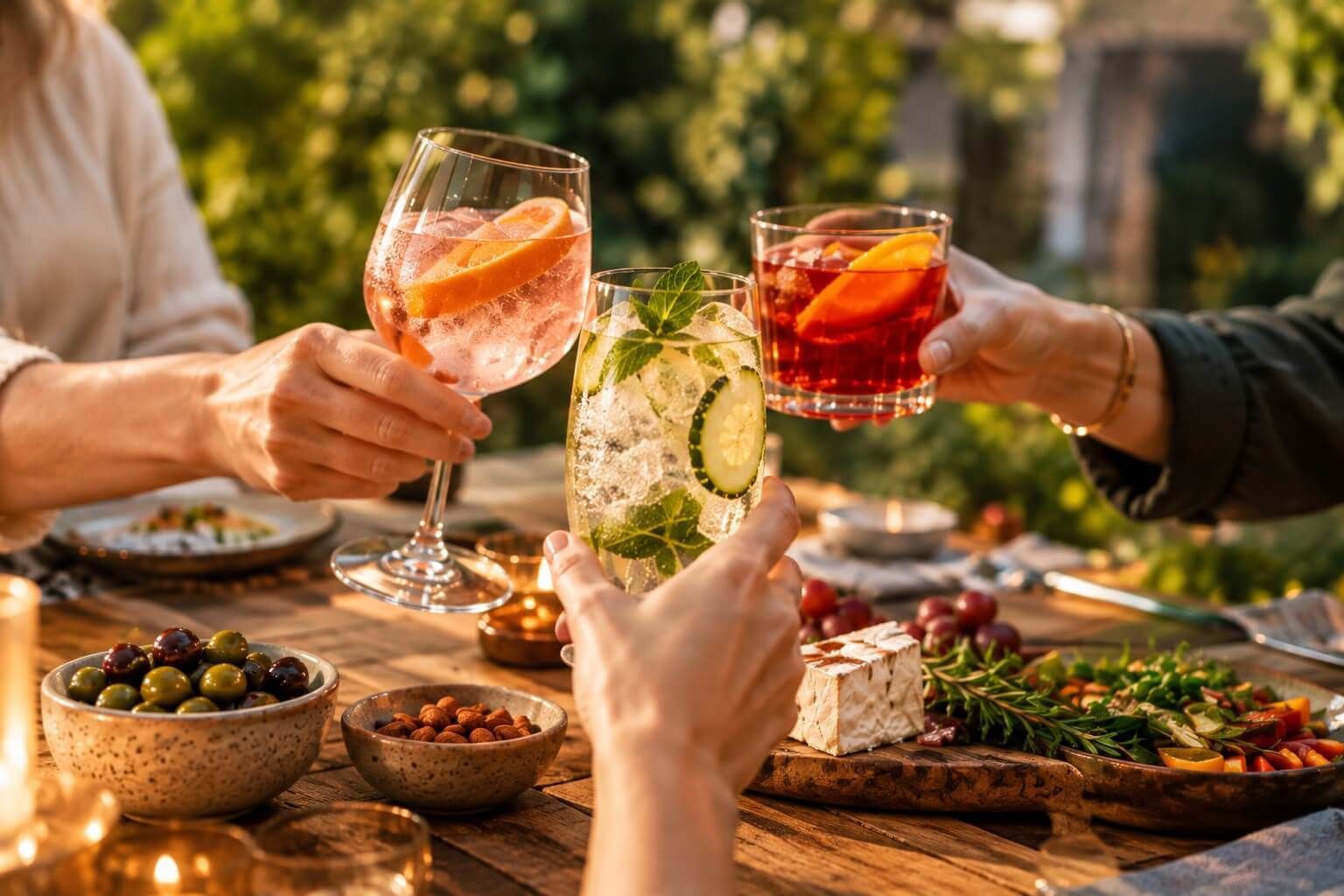
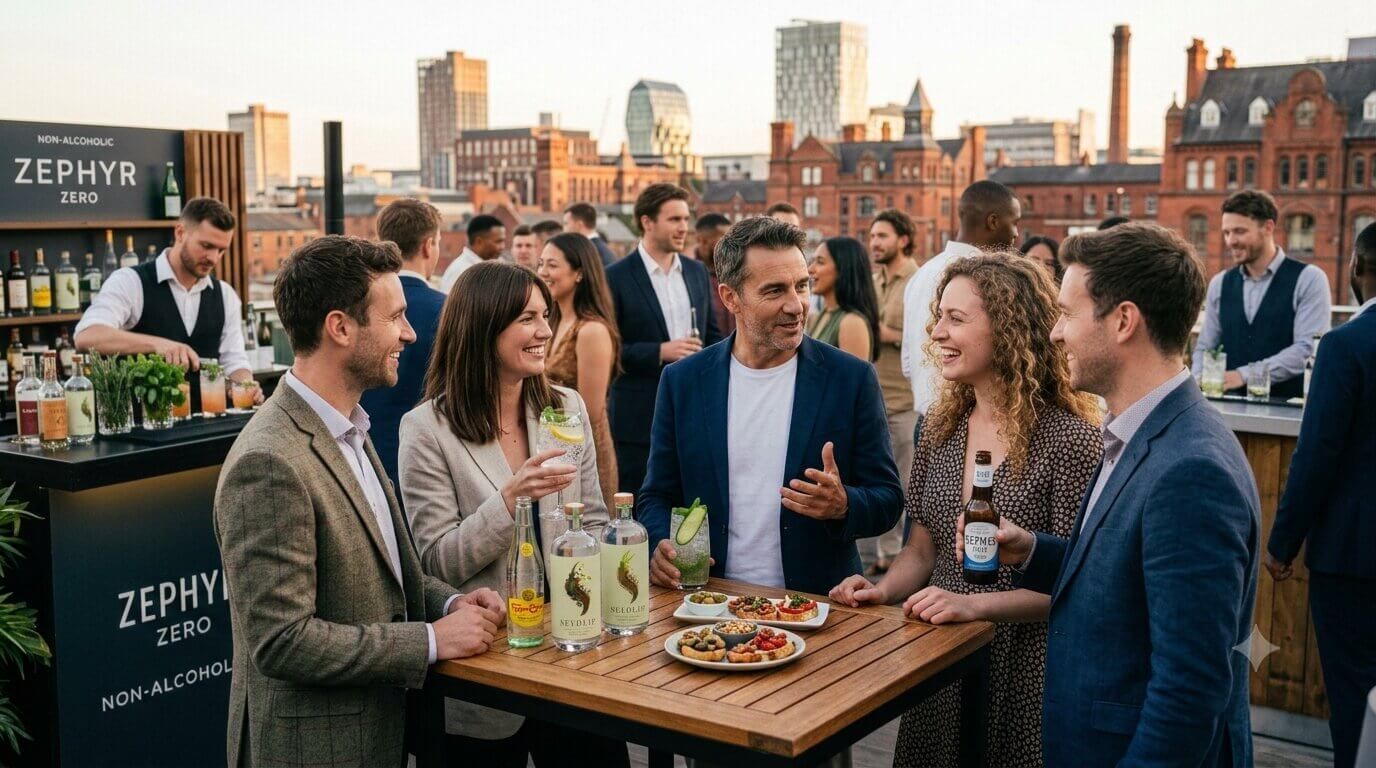
Guests notice the glass, the ice, the garnish, and whether a drink was made for them or poured for them. A considered alcohol-free serve in proper glassware reads as hospitality. A bottle of lemonade on a side table reads as an afterthought.
The flavour question is more honest than the category's marketing sometimes suggests. An alcohol-free aperitif is not identical to its full-strength equivalent, because ethanol carries aroma and adds weight that nothing else quite replaces. A well-made one does the same: it occupies the same place in a meal and delivers the same bitterness and complexity. For most people, in most settings, that's what counts.
A note on the labels you will see
UK labelling terms are not interchangeable, and Christmas is when most people encounter them for the first time.
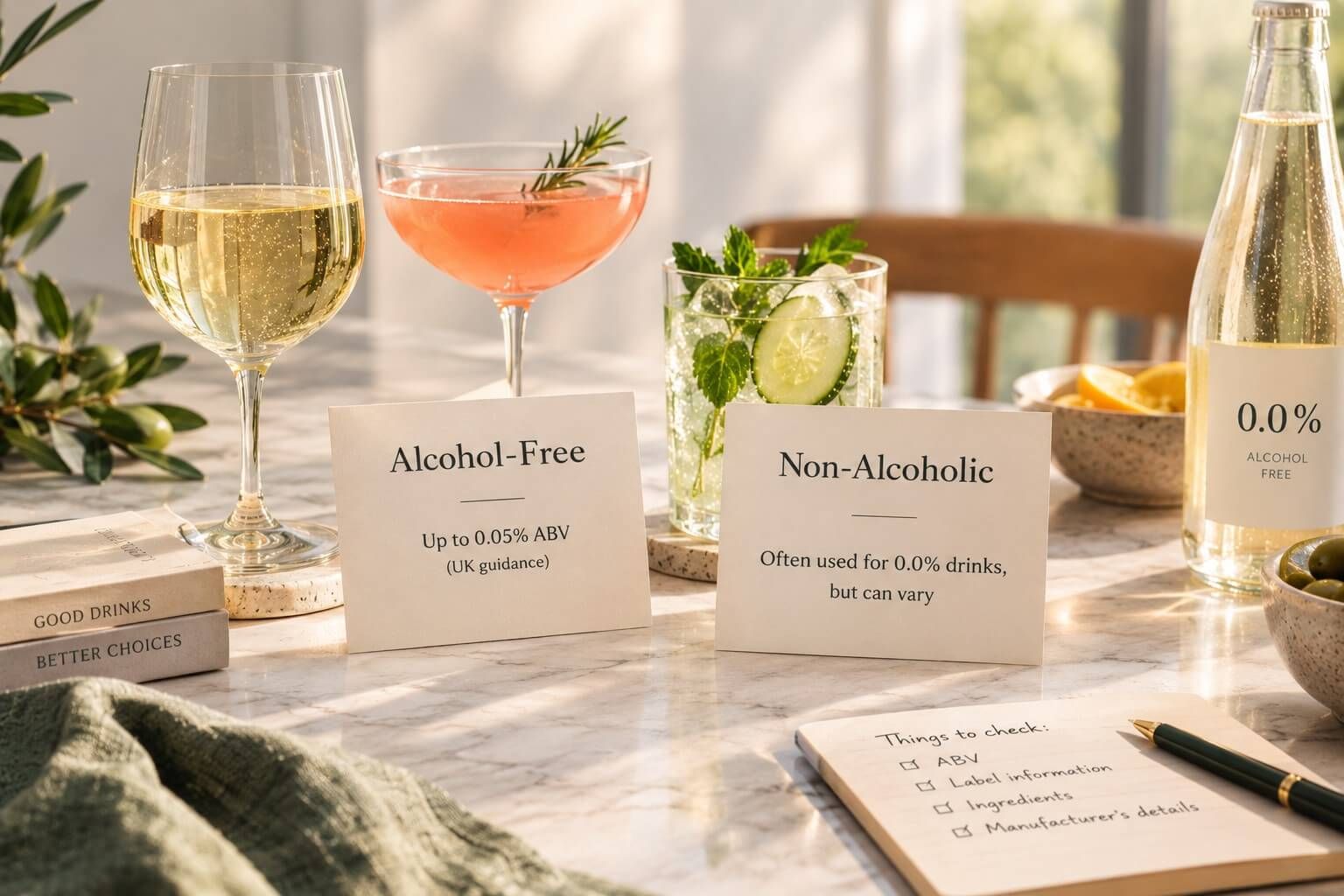
According to Drinkaware, drinks produced in the UK are labelled alcohol-free at a maximum of 0.05% ABV, de-alcoholised at a maximum of 0.5% ABV, and low alcohol at a maximum of 1.2% ABV. Those are meaningfully different things, and it is worth checking the label rather than the marketing if you are buying for someone who avoids alcohol entirely.
We covered the distinction in full in our guide to alcohol-free versus non-alcoholic.
Which ANON drink should I choose?
If you are buying one bottle for Christmas, pick by the moment you most need to fill.
For the pre-dinner drink and the New Year toast, choose Bittersweet Aperitif. For warming evening serves and anything mulled, choose Dark Spiced Cane. For a lighter option that works at lunch and alongside a heavy plate, choose English Garden. For a rum-style serve with cola or ginger ale, choose Spiced Cane.
Bottles are 70cl and free UK delivery applies on orders of two or more.
Frequently Asked Questions
Can children drink alcohol-free spirits?
ANON spirits are adult drinks in flavour profile rather than products aimed at children, and they contain botanical extracts such as wormwood and gentian. If you are serving a mixed-age gathering, it is sensible to check the ingredients list on the product page first.
How long does an opened bottle last?
Check the guidance on the bottle itself, as it varies between alcohol-free products. Because these drinks don't use alcohol as a preservative, most benefit from refrigeration once opened.
How many bottles do I need for a party?
A 70cl bottle gives roughly fourteen 50ml serves. For a gathering of twenty where perhaps a third are not drinking alcohol, two bottles plus mixers are a reasonable starting point.
Are alcohol-free drinks lower in calories?
Not automatically. Some are lower than their alcoholic equivalents and some are not, because sugar often replaces alcohol as the carrier of body and flavour. Nutritional information is published on each ANON product page.
Can I use these in normal cocktail recipes?
Yes, with the caveat that alcohol-free spirits behave differently when stirred or shaken because there is no ethanol to carry aroma or soften dilution. Recipes built specifically for them tend to work better than straight substitutions.