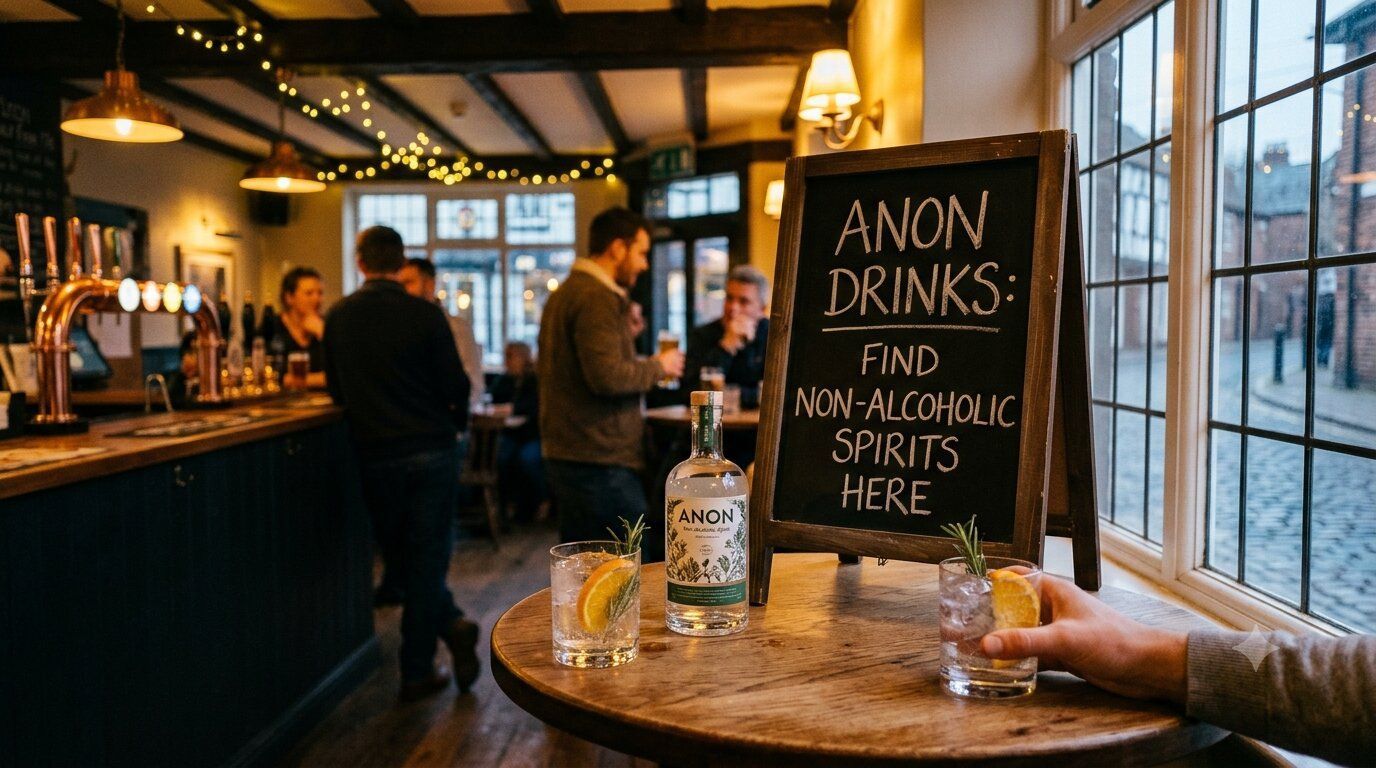
Non-Alcoholic Spirits for Fitness & Athletic Performance
There is a persistent myth in sporting culture: that the post-training celebration, the team drinks, and the race-day tradition are non-negotiable. That refusing alcohol means opting out of the social fabric of sport itself.
That myth is unravelling and the science behind it is compelling. A growing body of research, combined with the lived experience of elite athletes across every sport, confirms what many suspected: alcohol is simply incompatible with serious athletic performance. Yet the solution is not social isolation. It is a premium non-alcoholic spirits drinks sophisticated enough to feel celebratory and complex enough to be genuinely enjoyable, without any of the physiological costs that compromise recovery.
For a growing number of fitness-focused people across the UK, the choice is clear. You have optimised your sleep, tracked your nutrition, and invested in quality training. Why undo it all with a drink that disrupts your recovery?
The athletes dominating their sports treat every variable sleep, nutrition, stress, hydration, and what they drink socially as a performance lever. Non-alcoholic spirits let you optimise all of them.
How Alcohol Undermines Athletic Performance
Understanding why alcohol harms training progress is fundamental to understanding why non-alcoholic alternatives matter.
Sleep Quality and Recovery
Sleep is the single most important recovery tool available to any athlete. During deep and REM sleep, human growth hormone is released, muscle protein synthesis peaks, and neurological consolidation of movement patterns occurs. Alcohol disrupts all of this.
Even moderate consumption two or three drinks measurably suppresses REM sleep. You may fall asleep faster, but sleep quality deteriorates significantly. You wake with elevated cortisol, reduced growth hormone output, and cognitive fog that can persist twelve to sixteen hours. For training the next day, this is a serious performance liability.
Muscle Repair and Protein Synthesis
Muscles grow during recovery, not during training. The training stimulus creates microscopic damage; recovery fuelled by protein and rest is when adaptation happens. Alcohol directly inhibits this by suppressing muscle protein synthesis for up to twenty-four hours after consumption.
Research from the Australian Institute of Sport found that athletes consuming alcohol after resistance training experienced significantly reduced training adaptations. The more intense the session, the greater the negative impact.
Hydration and Electrolyte Balance
Athletic performance is exquisitely sensitive to hydration status. Even two per cent dehydration produces measurable decreases in endurance, strength, and cognitive function. Alcohol is a diuretic it accelerates fluid loss by suppressing antidiuretic hormone release, and this effect continues for hours after drinking stops.
For an athlete finishing a long run already in mild fluid deficit, adding alcohol creates a hole difficult to recover from. The consequences appear in the next training session, often invisibly.
Hormonal Disruption
Testosterone is the primary anabolic hormone responsible for muscle growth, body composition, and recovery capacity. Alcohol suppresses testosterone production acutely, and with regular consumption, this suppression becomes chronic. Cortisol the primary stress hormone simultaneously elevates, creating an environment that is broadly anti-anabolic and anti-recovery.
For athletes investing significant time in training, this hormonal tax is direct: every session yields fewer returns.
Why Non-Alcoholic Spirits Are the Solution
Understanding why alcohol harms performance is only half the equation. The harder challenge is navigating sport's deeply embedded drinking culture post training drinks, team celebrations, event hospitality without social isolation.
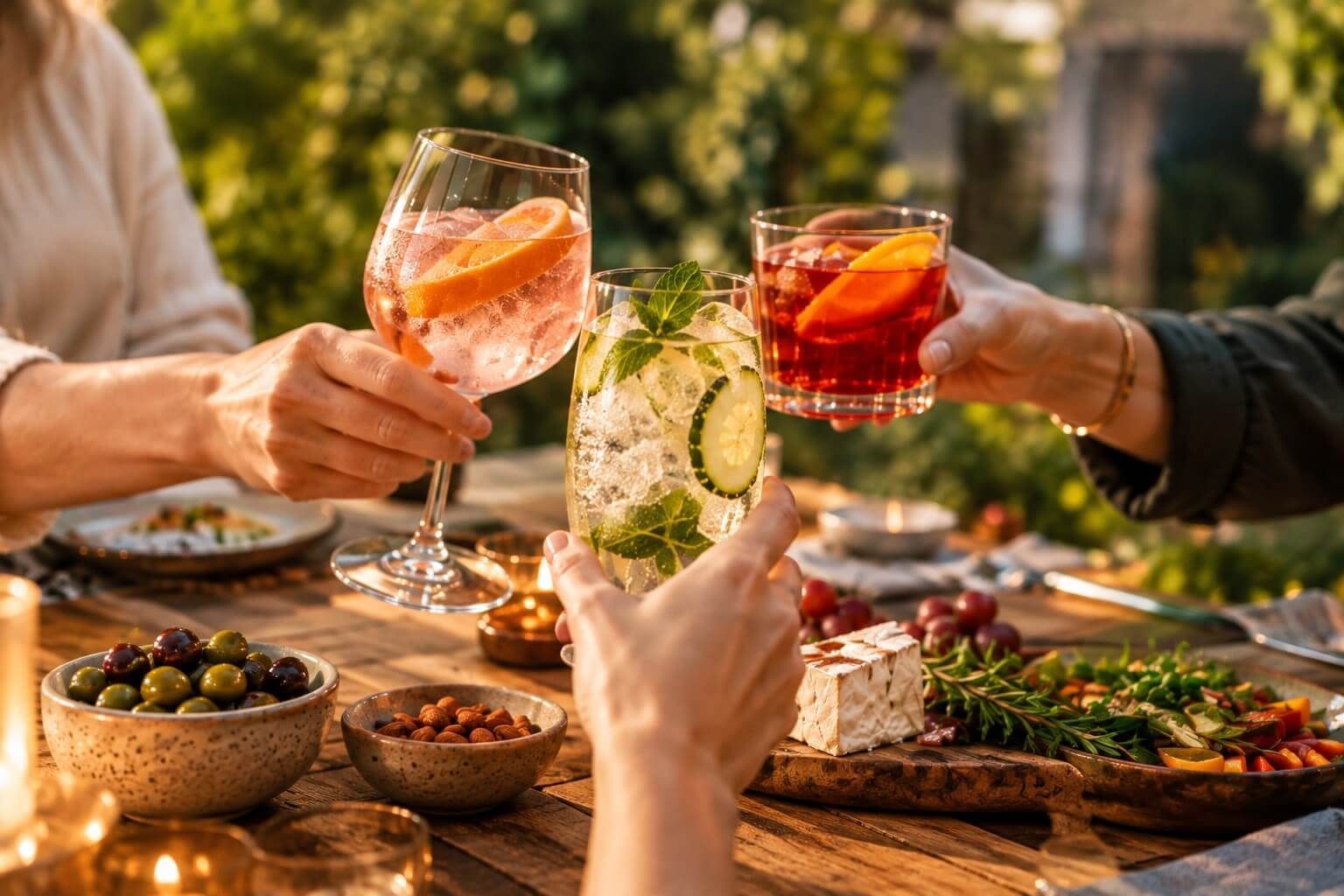
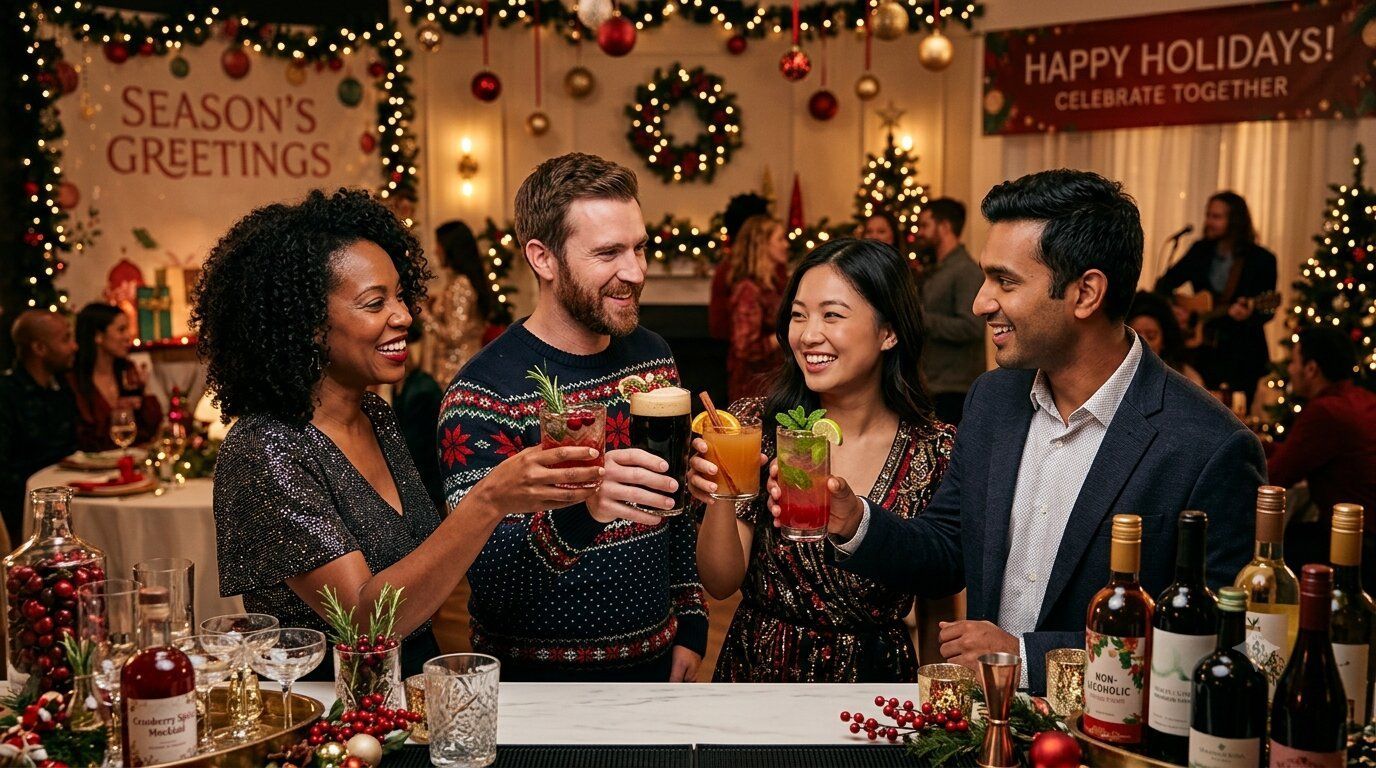
Premium non-alcoholic spirits solve this. Not as a medical compromise, but as a genuine social solution. A drink that looks like a cocktail, behaves like a cocktail, requires the same glassware and garnish — but contains no alcohol.
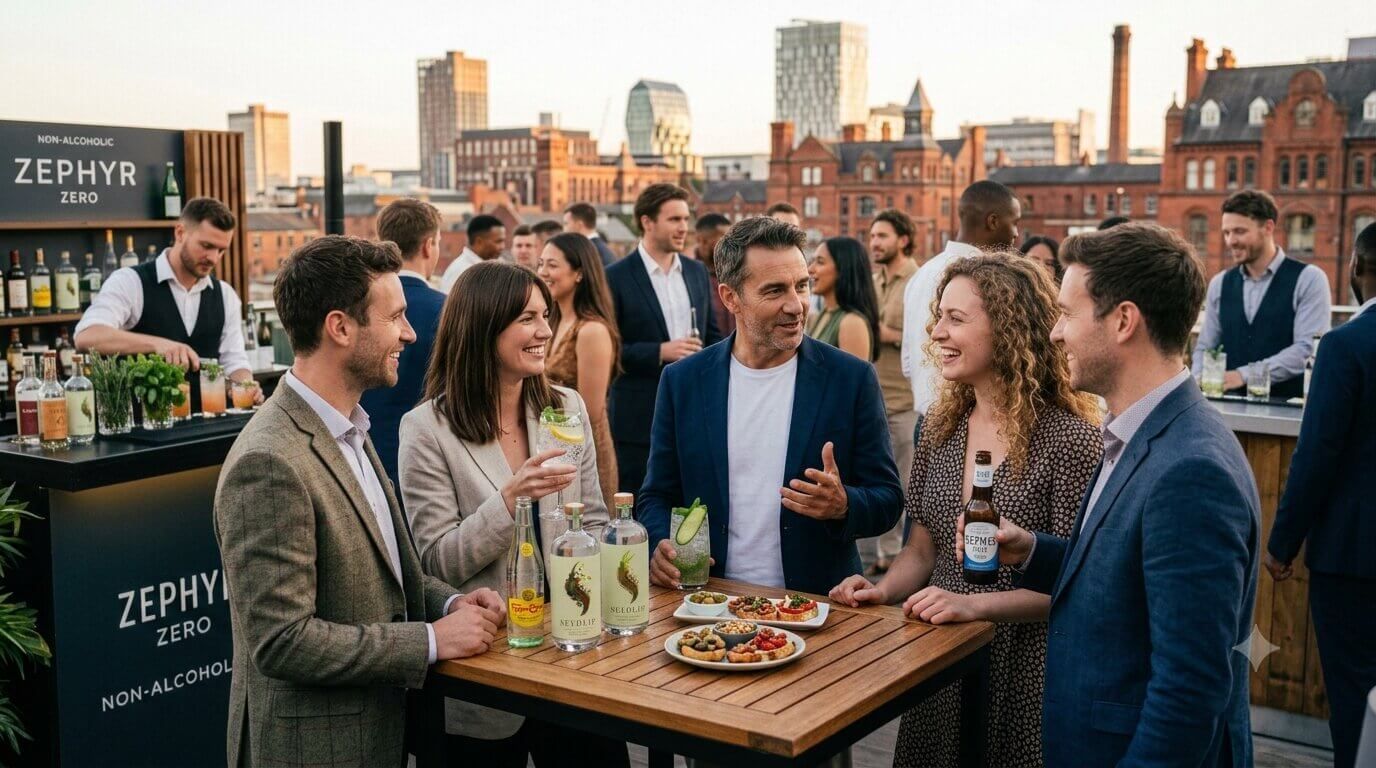
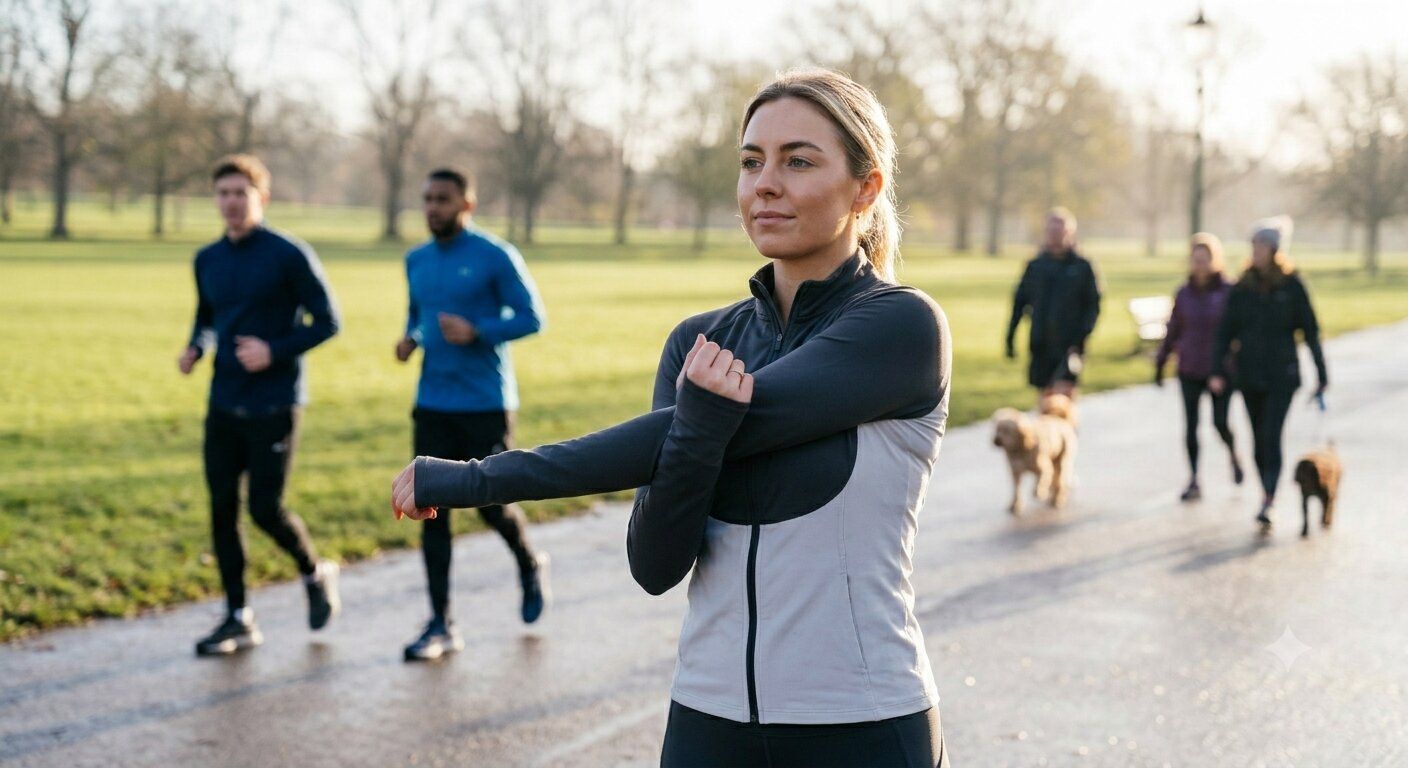
The cultural shift is already happening. Professional cycling teams actively manage alcohol consumption around races. Elite football clubs restrict alcohol during match periods. Running clubs across the UK are normalising non-alcoholic options at socials. The stigma around not drinking in sporting contexts has not just reduced it has reversed. The serious athlete who chooses alcohol-free is increasingly seen as disciplined and committed.
You do not have to choose between being a high-performing athlete and having a social life. Non-alcoholic spirits let you have both.
Optimal Non-Alcoholic Spirits for Every Fitness Occasion
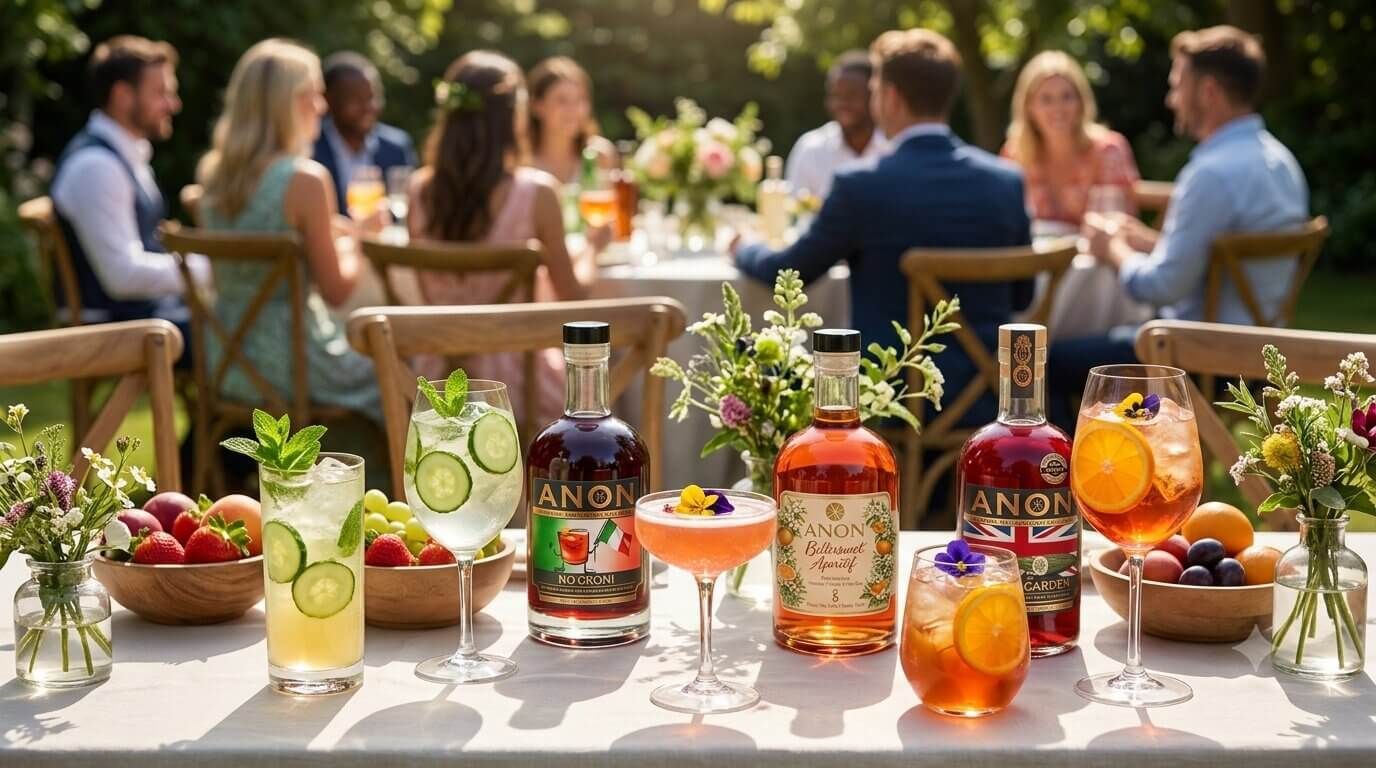
The ANON Drinks range was built for exactly this context. Four distinct expressions cover the main social moments in an athlete's life:
Post-Run or Training: ANON Spiced Cane Mule
After a long run or hard training ride, the body craves something warming. ANON Spiced Cane with premium ginger beer, fresh lime, and ice delivers the complexity of a classic mule without dehydrating or sleep-disrupting consequences. Ginger provides natural anti-inflammatory properties — a bonus for recovery.
Gym Social or Team Dinner: ANON Bittersweet Aperitif Spritz
Before a meal or social gathering, the Bittersweet Aperitif over ice with tonic and orange slice offers bitter, aromatic complexity — genuinely sophisticated at the table. Unlike alcohol, it stimulates appetite rather than suppressing it, important for post-training nutrition.
Post-Competition Celebration: ANON English Garden Spritz
Light, floral, and cucumber-forward, the English Garden spirit with lemonade in a tall glass captures celebration perfectly. It is bright, refreshing, and genuinely festive — ideal for post-race gatherings where you want presence and celebration without compromising tomorrow's recovery run.
Late Evening: ANON No Groni RTD
For evening occasions when you want complexity and satisfaction but no sleep compromise, the ready-to-drink negroni delivers the full bitter-sweet character of one of cocktail culture's great drinks. Pour over ice, add an orange slice, and enjoy.
Performance Nutrition Tip: Non-alcoholic spirits mixed with sparkling water or tonic contribute positively to daily hydration rather than depleting it. A Bittersweet Aperitif and tonic counts toward fluid intake. An alcoholic equivalent does not.
Building Your Performance-Focused Non-Alcoholic Bar
If you are building a home bar with athletic performance in mind, the ANON Drinks range provides an excellent foundation. At £20 per bottle, these compare favourably with premium alcoholic spirits.
Essential components:
- Quality premium tonic
- Craft ginger beer
- Good sparkling water
- Fresh citrus (lemons, limes, oranges)
- Fresh herbs (mint, basil)
- Quality ice
The result is a bar capable of producing sophisticated drinks for any occasion, with zero compromise to training, recovery, or performance. More importantly, it normalises non-alcoholic drinking in your home and social circles.
Frequently Asked Questions
Do non-alcoholic spirits actually taste good?
Yes — the ANON range is built with genuine botanical complexity. These are not soft drinks. They are sophisticated spirits with genuine depth, designed to stand up in proper cocktails.
Will I feel awkward ordering a non-alcoholic drink socially?
Not anymore. The shift in sporting culture means non-alcoholic options are now seen as the serious athlete's choice, not a compromise. Everyone at the table will respect the decision immediately.
How much do ANON Drinks cost?
£20 per bottle — the same price as premium alcoholic spirits. Per drink, they cost significantly less than alcoholic alternatives.
Can I use these in cocktails other than those mentioned?
Absolutely. ANON spirits work in any cocktail recipe. Simply substitute them 1:1 for the alcoholic spirit you would normally use.
Will they help with fitness goals?
Not directly — non-alcoholic spirits do not burn calories or build muscle. What they do is remove the performance cost of social drinking. You maintain sleep quality, hydration, hormonal balance, and recovery — all of which directly support fitness progress.
Do non-alcoholic spirits contain a lot of sugar and calories?
Most premium non-alcoholic spirits, including the ANON range, are formulated to be exceptionally calorie-conscious. Because they lack the dense caloric payload of ethanol (which contains 7 calories per gram), they fit seamlessly into strict macro-tracked nutritional plans far better than standard alcoholic options.
Can I drink alcohol-free spirits directly before a workout?
Yes. Because they are free of sedatives and dehydrating agents, enjoying a botanical non-alcoholic spirit sprirtz before a session will not impair motor control, cognitive processing, or cardiovascular output.
How do non-alcoholic drinks assist with sports recovery?
They assist primarily through "harm reduction" and proactive hydration. By swapping an alcoholic beverage for an alcohol-free alternative, you preserve your body's natural capacity for muscle protein synthesis, keep cortisol levels low, maintain optimal hydration levels, and secure undisturbed REM sleep.
The Bottom Line: The Cultural Shift in Sport
You have worked too hard for too long to let what is in your glass undermine what you are building in your training. Non-alcoholic spirits are not a grudging compromise. They are a performance tool — a way to maintain the social fabric of sport without sacrificing recovery, sleep, hydration, or hormonal balance.
The culture around alcohol in sport is shifting. Elite athletes are choosing non-alcoholic options not because they must, but because they understand the performance cost of alcohol is simply too high. Premium non-alcoholic spirits make that choice genuinely enjoyable.
The serious athlete's bar is built with this knowledge. And it tastes better for it.